

DEAL JEANS SAMEER PATEL 25 YEARS WOMEN’S FASHION FAST FASHION INDIAN CONSUMER WESTERNWEAR ENTREPRENEURSHIP BRAND JOURNEY RETAIL EXPANSION 1500 TOUCHPOINTS EXCLUSIVE BRAND OUTLETS DENIM PRODUCT INNOVATION SUMMER 2026 COLLECTION DIGITAL GRO NATIONAL
MUMBAI, MAHARASHTRA, INDIA
By IFAB MEDIA - NEWS BUREAU - December 12, 2025 | 250 24 minutes read






KEYPOINTS OF THE INTERVIEW
- - Deal Jeans was founded out of necessity by an 18-year-old Sameer Patel, not ambition—responsibility came first, and vision grew with time.
- - Early struggles never felt like “challenges” because of youth, fearlessness, and a trial-and-error mindset that kept momentum high.
- - The proudest milestone remains the opening of the first Exclusive Brand Outlet—marking the transition from a business to a trusted brand.
- - Indian women’s fashion shifted dramatically over 25 years, from limited westernwear adoption to mass acceptance driven by travel, global exposure, and social media.
- - Deal Jeans stayed relevant by tracking global trends early, adapting them for Indian women, and moving fast—speed became the brand’s competitive edge.
- - Relevance comes from discipline: staying honest about performance, adapting quickly, observing consumer behaviour in real time, and delivering consistent quality.
- - No single trend defined success—constant reinvention, frequent drops, and consistent evolution of fits and designs were the real game-changers.
- - Deal Jeans differentiates itself through sharper styling, boldness, and premium-quality fabrics tailored specifically for Indian women’s comfort and fit.
- - The brand balances style, affordability, comfort, and quality through experience-driven sourcing, smart cost management, and deep consumer insight.
- - Sustainability is a growing priority with steps taken in mindful sourcing, durability, waste reduction, and responsible production—not as a marketing gimmick but as a gradual internal shift.
- - Denim remains the strongest product engine, supported by a full westernwear range including tops, dresses, skirts, jackets, co-ords, and seasonal fashion capsules.
- - Summer 2026 collection focuses on clean minimalism, breezy fabrics, soft tones, global silhouettes, and comfort-driven styling suited to Indian climates.
- - Upcoming innovations include shape-retaining stretch denims, breathable fabrics, adjustable fits, multi-use functional details, and premium-feel minimal designs.
- - Deal Jeans has built a retail footprint of nearly 1,500 touchpoints across EBOs, MBOs, LFS, and other channels.
- - Future expansion includes aggressive rollout of EBOs across metros, Tier 2, Tier 3, and untapped regions in the South and East.
- - The brand is preparing to launch its own shopping website, prioritising digital ownership before exploring quick-commerce integrations.
- - Growth journey has been a rollercoaster defined by resilience, fast learning, and relentless execution rather than smooth sailing.
- - Vision for the next 25 years: build a globally competitive Indian fashion brand through scale, innovation, digital strength, sustainability, and a sharper design identity.
- - Advice to new entrepreneurs: avoid romanticizing fashion, be product-obsessed, manage cash flow ruthlessly, avoid imitating big brands, and build around one unique strength.
- - Deal Jeans is entering a new chapter with upcoming initiatives in design, retail identity, and digital connect—signalling a bold next phase of evolution.
Marking 25 years in India’s dynamic women’s fashion landscape, Deal Jeans stands today as one of the country’s most recognisable homegrown westernwear brands—built on agility, trend-awareness, and an unwavering understanding of the Indian consumer. What began as a necessity-driven entrepreneurial step by a young 18-year-old has now evolved into a nationwide fashion force with nearly 1,500 points of sale.
In this exclusive interview, Sameer Patel, Founder and Chairman of Deal Jeans, speaks candidly with Gurbir Singh Gulati, Editor-in-Chief and Publisher, INFashionBusiness.com. He reflects on the brand’s humble beginnings, the evolution of India’s women’s fashion market, the discipline required to stay relevant in fast fashion, and the vision for taking Deal Jeans into the next 25 years.
What unfolds is an honest, insightful, and inspiring account of growth, grit, and relentless reinvention.
LEGACY & JOURNEY
What first inspired you to launch Deal Jeans 25 years ago?
When I started Deal Jeans, I was just 18. At that age, no one really has some grand inspiration or life-changing vision. For me, it wasn’t about chasing an idea. It was pure necessity. My dad wanted me to enter the business world early, and our family situation needed someone to step up. So I did. Looking back, that push is what built my foundation. I didn’t start with big dreams, I started with responsibility. The vision came later, once I learned what I was capable of.
Looking back, what were the biggest challenges in those early years, and how did you overcome them?
Honestly, I didn’t see those early days as challenging. I was young, clueless in a good way, and full of energy. Every problem felt more like a puzzle than a setback. I didn’t overthink things the way adults do. I just tried, failed, figured it out, and moved on. That attitude helped me more than any strategy. What other people call ‘challenges,’ I just saw as part of the ride. That’s probably why Deal Jeans kept moving forward without me feeling overwhelmed.

Which milestone in your journey so far makes you the proudest?
The moment that really made me proud was opening our first exclusive brand outlet. That store wasn’t just a retail space. It was the proof that we’d built something strong enough to stand on its own. Seeing our name on the board, watching customers walk in because they trusted the brand, not just the product… that hit differently. It felt like we’d crossed from being a business to becoming a brand.
INDUSTRY & TRENDS
How have you seen women’s fashion in India evolve over the past 25 years, and how has Deal Jeans kept pace with these changes?
When we started, western wear wasn’t mainstream in India. It was limited to a few cities, and most women still lived in saris and ethnic sets. Over the years, everything flipped. Global brands entered, people travelled more, and social media basically opened the floodgates. Instagram did more for western fashion in India than any billboard ever could. Women wanted clothes that matched their lifestyle, not just tradition. Daily western wear became normal, not ‘bold.’
Deal Jeans stayed in the game because we didn’t wait around for trends to reach India. We kept our eyes on international fashion, understood what would work for Indian women, and moved fast. If something was trending in the western world, we made sure our stores had it at the same time. That speed is what kept us relevant.
What, in your view, is the key to staying relevant in such a fast-changing industry?
Staying relevant isn’t magic. It’s discipline. Relevance comes from being brutally honest about what’s working and what’s not. Trends change fast, but consumer behavior changes even faster. If you’re not tracking that in real time, you’re already behind. For me, the real key is staying flexible. You can’t fall in love with your past success. Most brands get stuck because they keep repeating what worked earlier. That’s the quickest way to die in this industry. You have to keep killing your own old ideas and rebuilding. You have to be willing to tweak your product, your pricing, your visuals, even your entire direction if the customer shifts.
Another thing people underestimate is consistency. You can innovate all you want, but if your quality, fit, and experience aren’t consistent, customers won’t stick around. So for me, it’s a mix of sharp observation, quick decision-making, and delivering the basics flawlessly every single time.
For me, relevance comes from three things: listening to the customer without ego, moving fast on trends, and being okay with changing direction when the market demands it. If you can do that consistently, you don’t have to chase relevance. You stay ahead of it.
Was there a particular trend or fashion shift you embraced that turned out to be a game-changer for the brand?
In a business like ours, there isn’t just one trend that changed everything. Fast fashion moves too quickly for that. What really mattered was our ability to reinvent constantly. For 25 years, we’ve been dropping fresh collections non-stop. So many shifts came and went that picking one would honestly be unfair to the rest.
If there was a real game changer, it was our consistency. We kept evolving our fits, our designs, and our styling without losing momentum. While others waited for the market to shift, we were already preparing for the next move. That habit of adapting early is what kept the brand strong, not any single trend.
BRAND & VALUES
What sets Deal Jeans apart from other women’s fashion brands in India and globally?
What sets Deal Jeans apart is that we don’t play it safe. Competing with international brands isn’t easy, but we’ve never been scared of that comparison. On styling and fabric quality, we match them or sometimes beat them. The difference is we design for the Indian woman’s body, lifestyle, and pace, so our fits hit better.
Compared to most Indian brands, we’ve always been ahead in fast fashion. Our pieces have that extra detail, that little twist, while a lot of brands tend to play it safe and stick to basic, predictable looks. We take more risks, we move faster, and we don’t compromise on fit or fabric. That balance of bold styling, strong quality, and perfect fit is what sets Deal Jeans apart both in India and globally.
How do you strike the right balance between style, affordability, comfort, and quality?
Balancing style, affordability, comfort, and quality is honestly the hardest part of this business. Anyone can nail one or two of these, but getting all four right at the same time takes work. After so many years in women’s wear, we’ve learned how to fine-tune it. We know where to spend more, where to hold back, and how to design pieces that look premium without blowing up the price.
It’s not magic. It’s experience, smart sourcing, and knowing exactly what the customer actually cares about. That’s how we make products that feel stylish, fit well, last long, and still stay within reach.

How important is sustainability and conscious fashion in your brand’s philosophy today?
Sustainability matters, and anyone who ignores that is living in the past. We’re not perfect and I won’t pretend we’ve cracked the whole equation, but we’re moving in the right direction. For us, conscious fashion means being smarter with materials, reducing waste, improving durability, and making sure our products don’t become disposable after a few wears.
We’ve tightened our sourcing, we’ve improved fabric lifespans, and we’re far more mindful about how much we produce and why. It’s a gradual shift, not a marketing slogan. The goal is simple: create fashion that looks good, feels good, and doesn’t harm the environment more than it needs to. We’re committed to that, step by step, without making fake promises.
PRODUCT PORTFOLIO & INNOVATION
Could you give us an overview of your current product range? Which categories are driving the most traction at the moment?
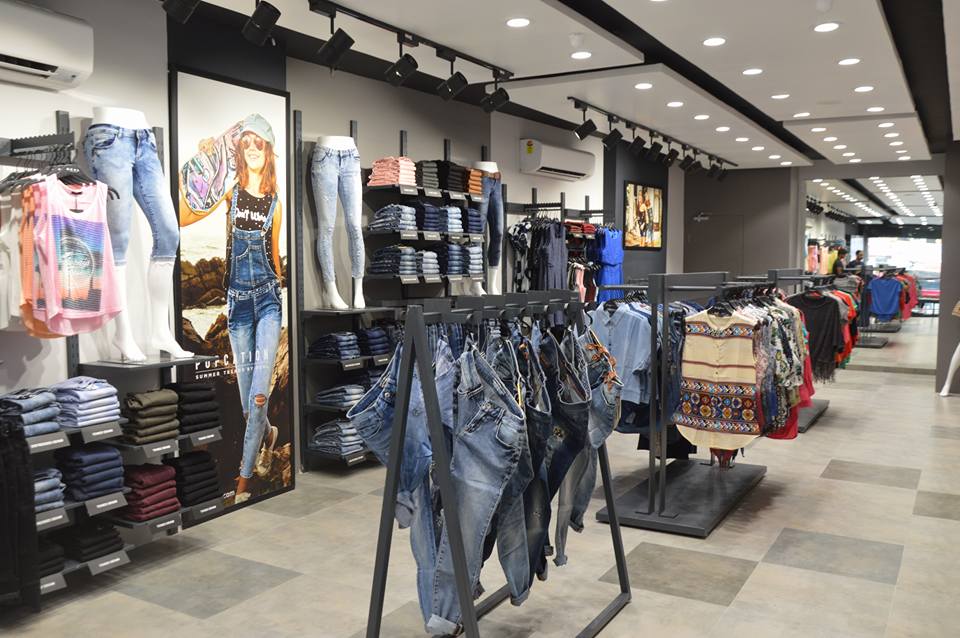
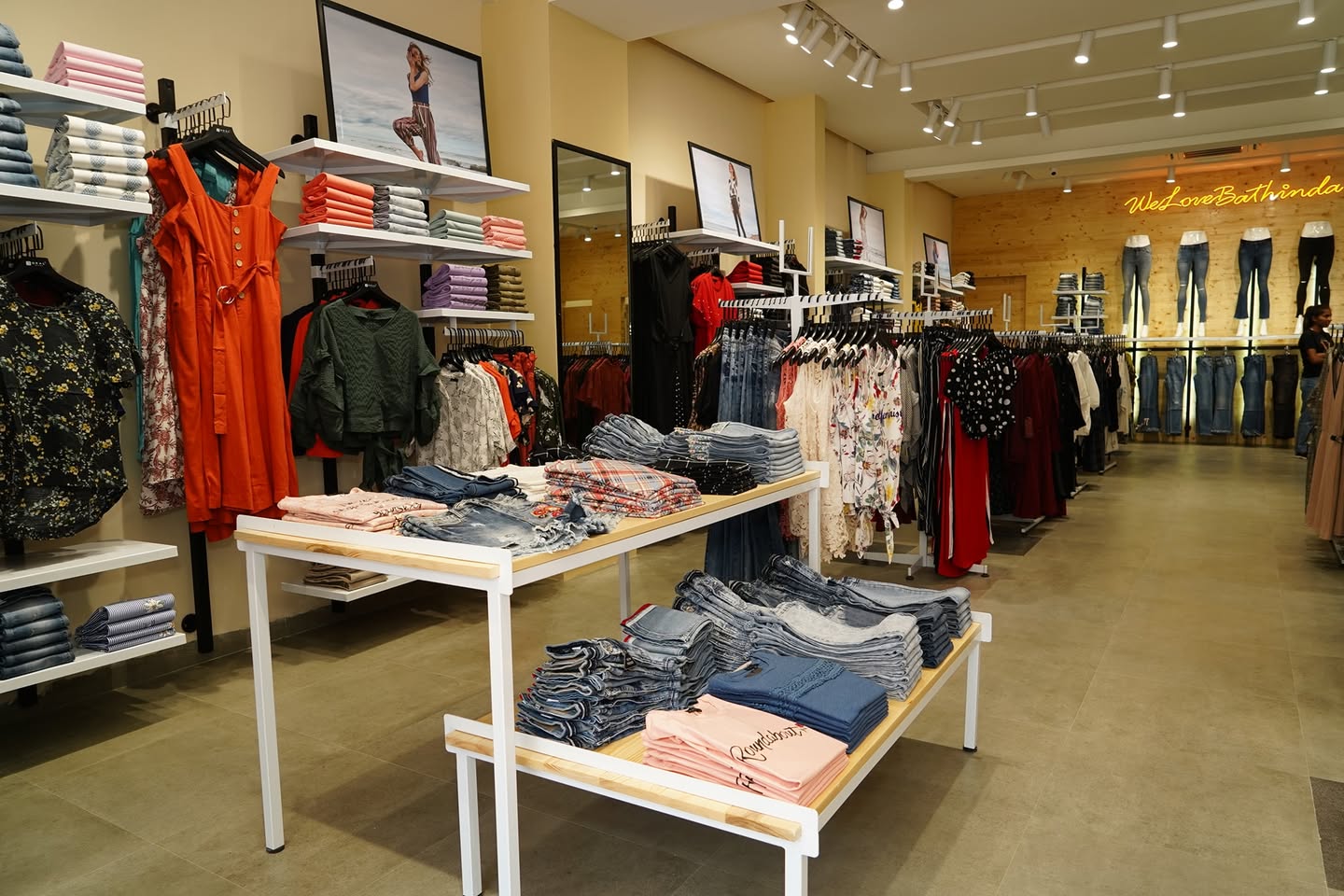
Our range today covers everything a woman needs for everyday western wear. We’ve got denim, tops, dresses, skirts, jackets, co-ords, and seasonal fashion drops that keep the collection fresh. But if we’re talking about what really drives transactions, it’s denim. That’s still our strongest category. Our fits, our fabrics, and the consistency we’ve built over the years make denim the backbone of the brand. Everything else performs well, but denim is the engine.
Tell us about your latest collections—what themes, inspirations, or directions have you been exploring recently?
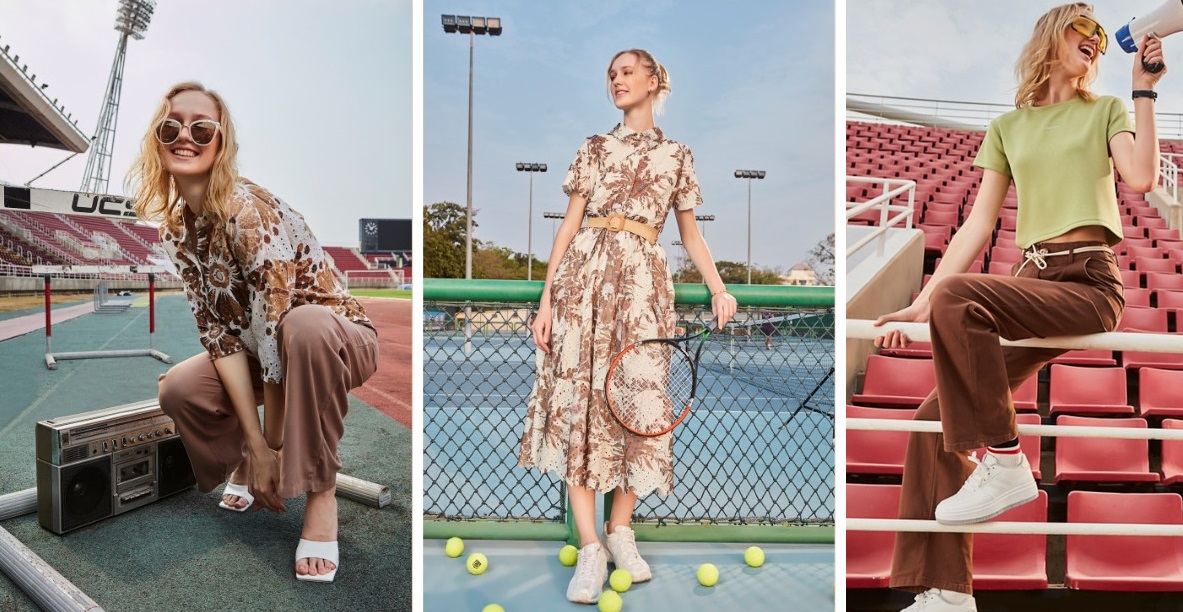
We just showcased our Summer 2026 collection, and the vibe is clean, confident, and effortless. We leaned into what global runways have been hinting at: sharp minimalism with a playful edge. You’ll see a lot of crisp whites, sun-faded blues, soft sorbet tones, and muted metallics. Fabrics are lighter, breezier, and built for Indian summers without losing structure.
Silhouette-wise, we explored relaxed tailoring, cropped proportions, and reworked classics. Think wide-leg denims with sculpted waists, utility-inspired dresses, easy co-ords, and soft layering pieces that move with you. There’s a strong focus on comfort without looking casual. The direction is wearable fashion that still makes a statement.
The inspiration came from real women and the way they’re blending ease with style today. Summer 2026 is all about clothing that feels fresh, functions well in our climate, and still carries that global fashion energy. That’s the mood we brought to the collection.
What innovations in design, materials, or functionality can customers look forward to in your upcoming products?
Customers can expect a lot more tech-driven comfort and smarter design details in our upcoming products. We’re experimenting with lighter, stretch-friendly denims that keep their shape even after heavy use, along with breathable fabrics that work better for Indian heat and humidity. You’ll also see more functional elements like adjustable waists, multi-use pockets, and silhouettes that transition easily from day to night.
On the design side, we’re pushing harder on cleaner cuts, sharper fits, and pieces that look minimal but are engineered for movement. We’re also bringing in new washes, updated textures, and subtle finishing touches that give everyday wear a premium feel.
The idea is simple: clothes that look stylish, feel effortless, and perform better in real life.
RETAIL PRESENCE & EXPANSION
How extensive is your current retail presence across Exclusive Brand Outlets (EBOs), Multi Brand Outlets (MBOs), Large Format Stores (LFS), and online platforms?
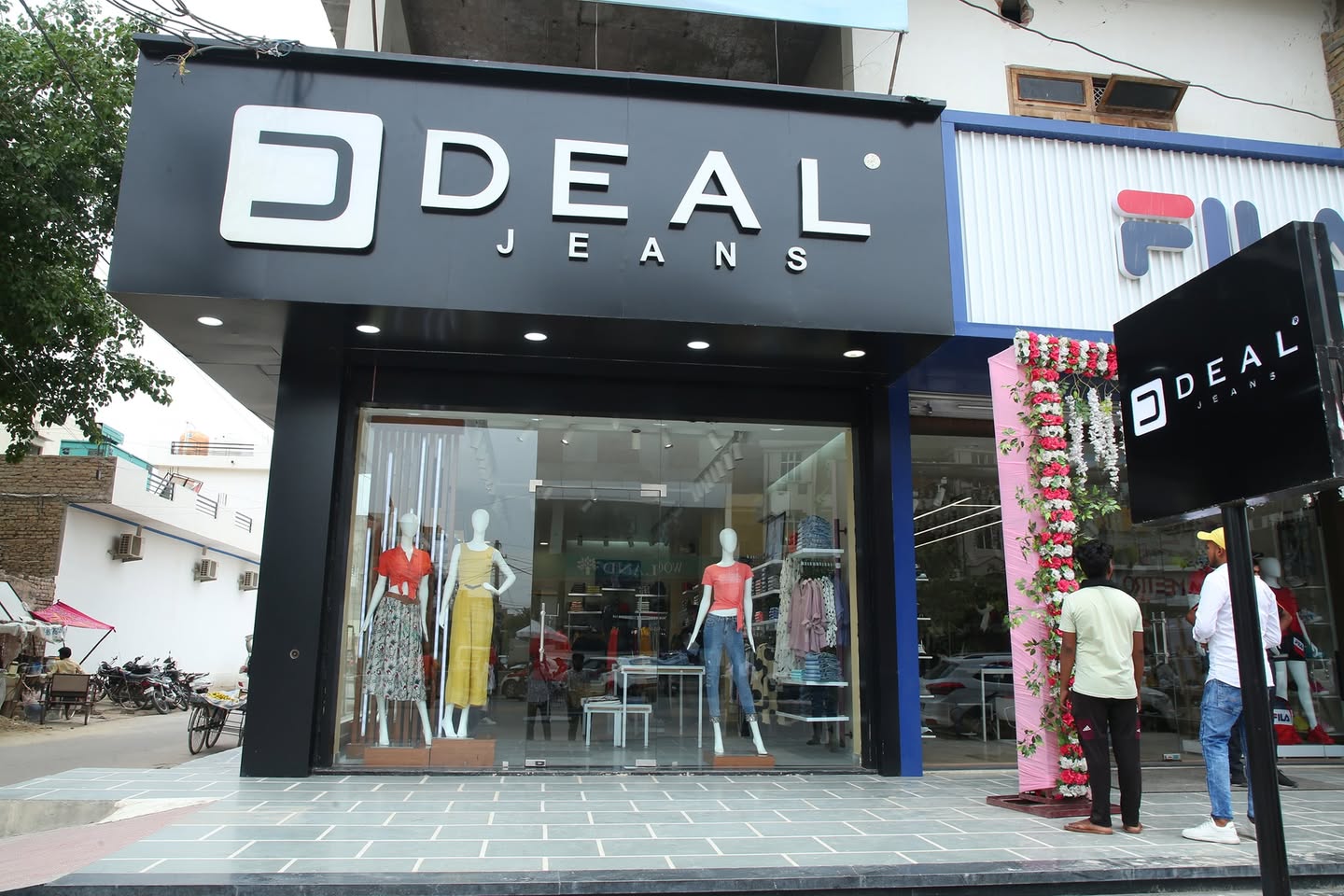
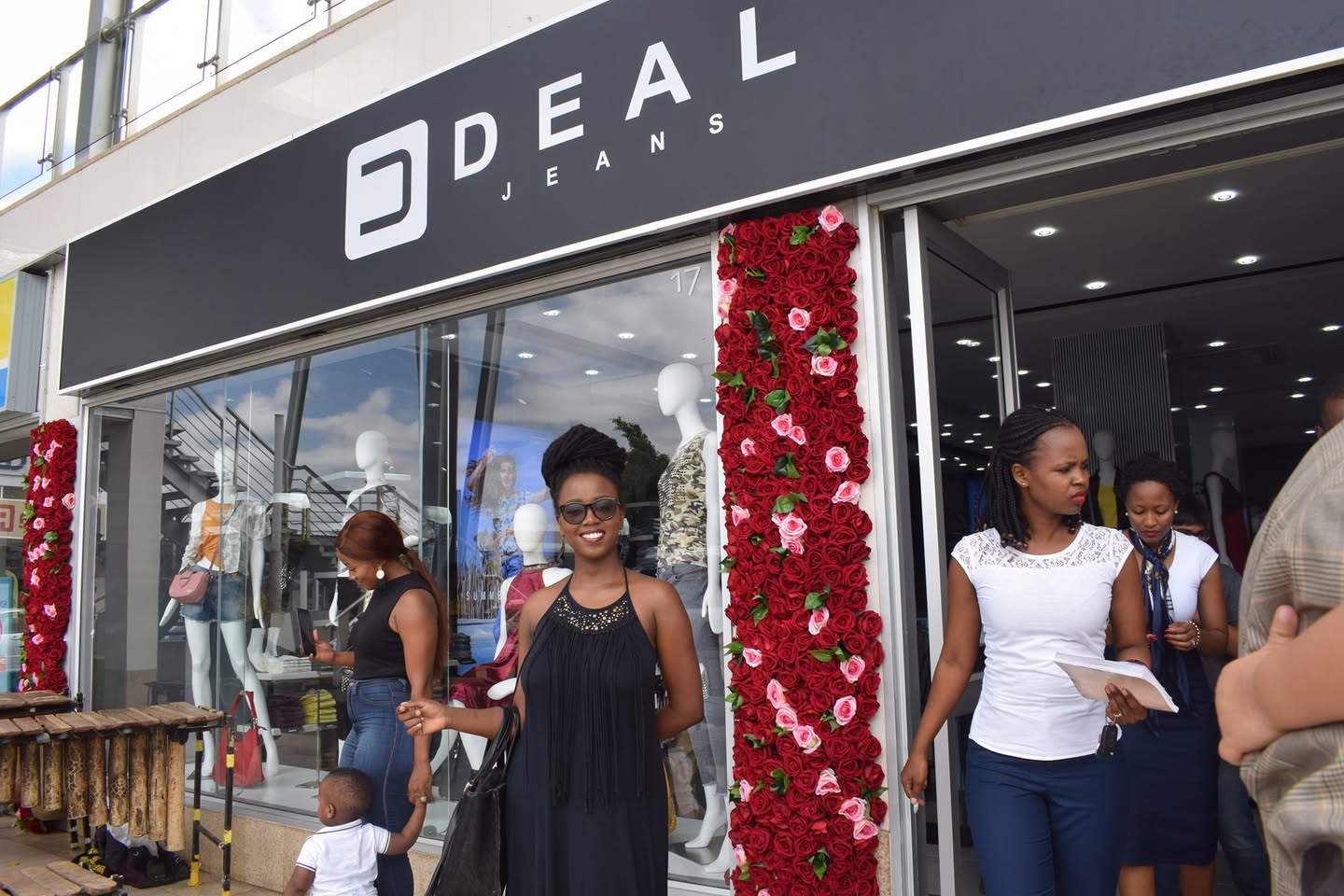
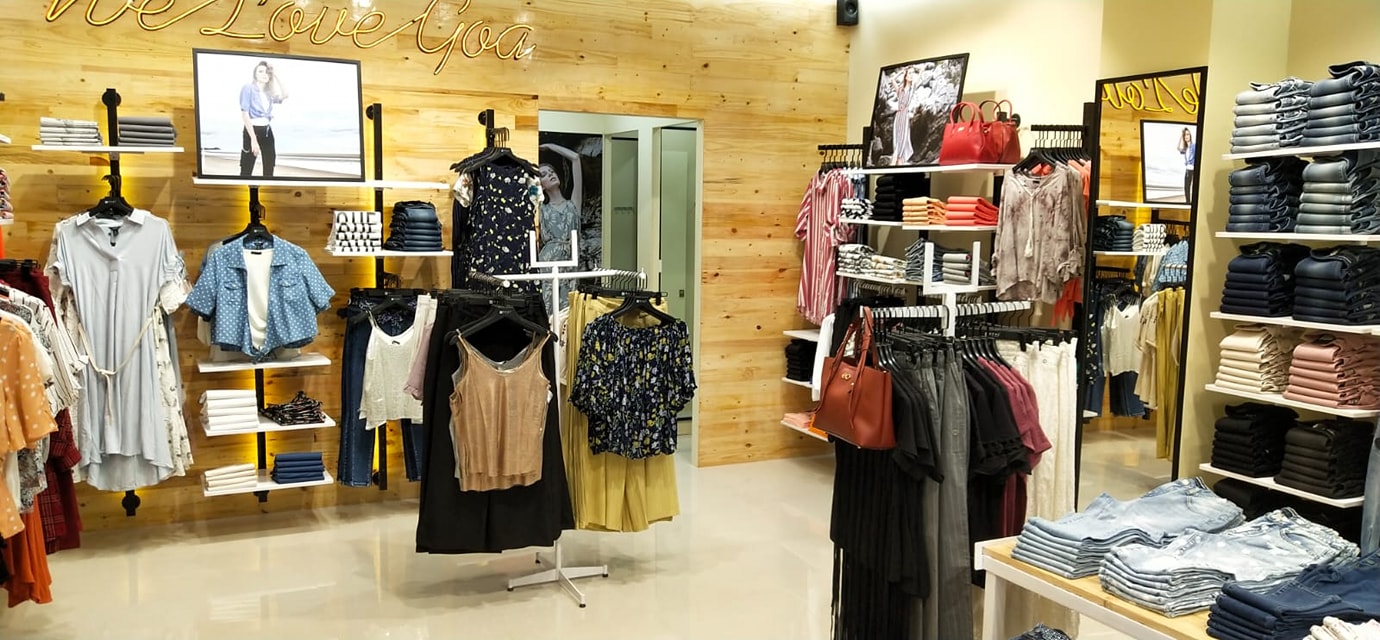
Our current retail footprint is close to 1500 points of sale across India.
What are your retail expansion plans for the next 1–2 years? Are there new geographies or markets on the horizon?
Our expansion plan for the next one to two years is pretty aggressive. We’re looking at opening a strong round of new Exclusive Brand Outlets, especially in cities and towns where the demand is high but the category is still underserved. There are several untapped markets in the South, East, and Tier 2 and Tier 3 pockets across India that are ready for a brand like ours, and we want to move in fast.
Along with that, we’ll continue strengthening our presence in key metros, and scaling our online reach. The goal is simple: get closer to the customer, be available where she shops, and make Deal Jeans visible in markets where western wear is just starting to grow.
With the growing rise of quick commerce, are you considering this channel to make your products more instantly accessible to customers?
Quick commerce is interesting, but we’re not jumping into every new channel just for the hype. Our focus right now is on building something more meaningful and in our control. We’re getting ready to launch our own shopping website soon, which will give customers direct access to our full range, faster deliveries, and a much better brand experience.
Once that’s live and running the way we want, we can look at how quick commerce fits into the picture. But first, we want our own digital house built right.
BUSINESS & VISION
From a single store to where you are today—how would you describe that growth journey?
The journey has been a full roller coaster. There were phases where everything clicked and we felt unstoppable, and there were phases that tested us hard. But every high and low pushed us to grow. From a single store to a nationwide presence, nothing came easy or overnight. We learned on the job, we made mistakes, we fixed them fast, and we kept moving. That grit is what shaped the brand more than anything else.

Looking ahead, what is your vision for Deal Jeans over the next 25 years?
The next 25 years are about scale, identity, and impact. We’ve built the foundation, now it’s time to build the empire. I want Deal Jeans to stand as one of India’s strongest homegrown fashion brands with a serious global presence. More stores, a sharper digital footprint, stronger design labs, and products that can compete anywhere in the world.
At the same time, I want the brand to evolve without losing what made it work in the first place: great fits, fast execution, and a pulse on what women actually want. If we keep that core intact and push harder on innovation, sustainability, and accessibility, Deal Jeans can grow far beyond anything we’ve done so far.
The vision is simple: take an Indian brand and make it world-class, not by copying anyone, but by owning our strengths and scaling them relentlessly.
What advice would you give to young entrepreneurs who aspire to build a fashion brand with lasting impact?
My advice is simple: don’t romanticize this industry. Fast fashion looks glamorous from the outside, but the success rate is tiny. If you don’t have a serious budget, the first few years will feel brutal. The market moves fast, competition is heavy, and customers won’t give you a second chance if your product isn’t sharp.
But if someone still wants to build a brand, they need to be ready to work smarter than everyone else. Focus on product, be insanely disciplined about cash flow, and don’t imitate what the big players are doing. Find one thing you can genuinely be the best at and build from there.
Money helps you survive, but clarity, consistency, and relentless execution are what actually build a lasting brand.
OPEN FLOOR
Is there anything we haven’t touched upon that you’d like to share—perhaps an upcoming initiative, a personal story, or a new direction for Deal Jeans?
One thing I’d like to share is that this is just the beginning of a new chapter for us. We’ve spent 25 years building the backbone of the brand, and now we’re stepping into a phase where we want to think bigger, move faster, and create a deeper connection with our customer.
We’re working on a few initiatives that I can’t reveal fully yet, but they involve strengthening our design capabilities, expanding our own retail identity, and bringing the brand closer to the digital-first customer. On a personal note, this milestone has made me reflect on how far we’ve come from that first small store. It’s a reminder that consistency and adaptability can take you a long way.
So yes, big things are in the pipeline, and the next set of moves will define the Deal Jeans you’ll see over the coming years.
CONCLUSION
Sameer Patel’s journey is a testament to resilience, instinct, and the power of staying agile in an industry defined by speed. From an 18-year-old stepping into business out of necessity to architecting one of India’s leading women’s westernwear brands, his story is as real as it is inspiring.
As Deal Jeans celebrates 25 years, the brand stands at a pivotal moment—gearing up for aggressive expansion, sharper digital presence, innovation-led design, and a stronger global outlook. If the past is any indication, the next chapter of Deal Jeans promises to be bold, fast, and transformational.


