

ODETTE MAMTA ROY AMIT ROY D2C BRANDS INDIA DIRECT TO CONSUMER BUSINESS MODEL INDIA OMNICHANNEL FASHION STRATEGY KIDSWEAR BRAND LAUNCH JUNE 2026 100 EXCLUSIVE BRAND OUTLETS FY28 SIG FRANCO MENSWEAR WOMENSWEAR ETHNIC AND WESTERN WEAR PREMIUM MASS NATIONAL
INDIA
By IFAB MEDIA - NEWS BUREAU - March 13, 2026 | 91 6 minutes read





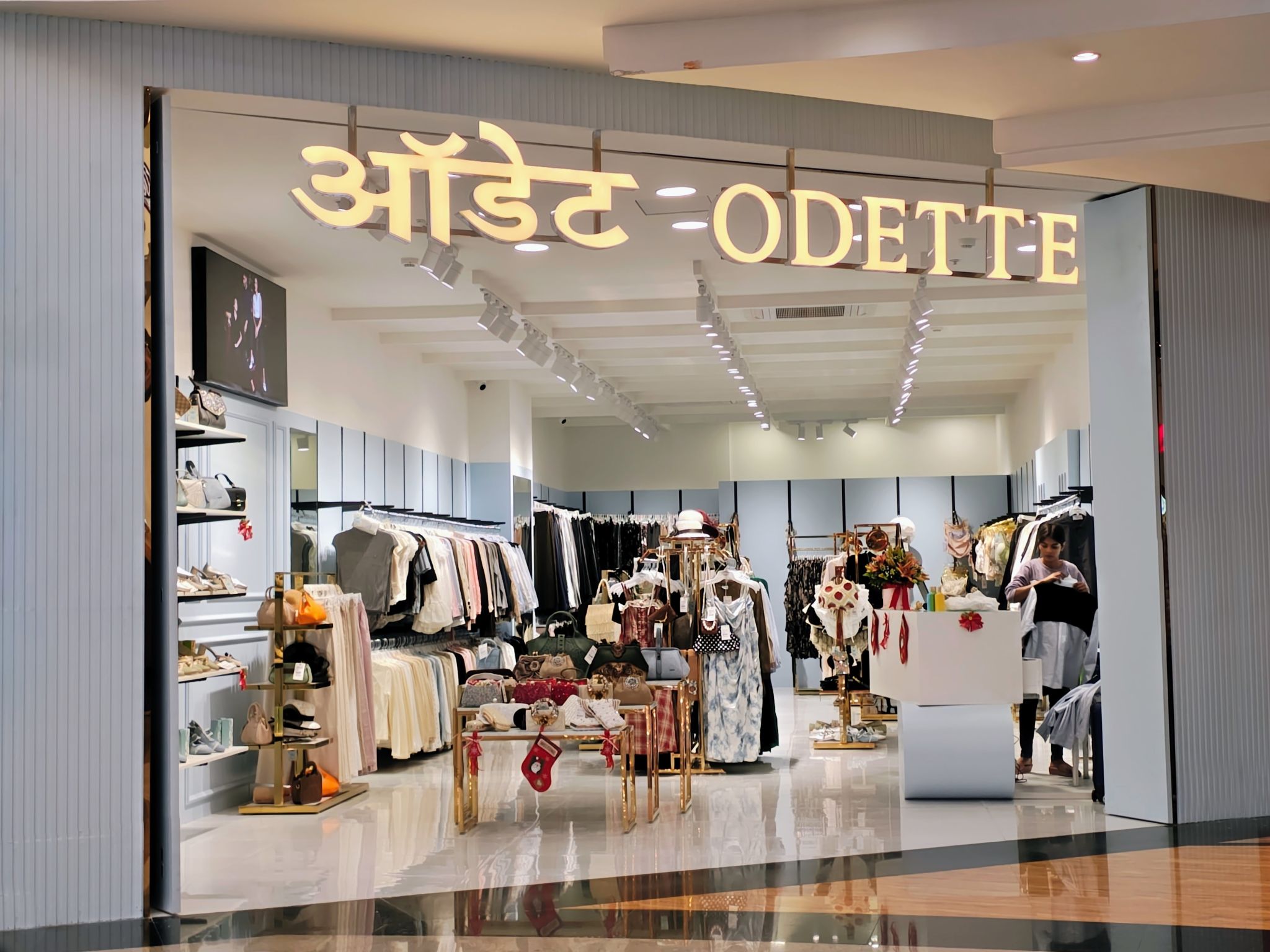
India’s fast-evolving direct-to-consumer fashion landscape continues to witness dynamic expansion as homegrown brand Odette charts its next phase of growth. The fashion label is preparing to launch a dedicated kidswear brand in June 2026 while simultaneously working toward an ambitious retail footprint of 100 exclusive brand outlets (EBOs) by FY28. The move reflects how emerging digital-first fashion companies in India are increasingly transforming into full-scale omnichannel businesses within the country’s expanding D2C ecosystem.
Established in 2021 by husband-wife entrepreneurs Mamta Roy and Amit Roy, Odette began its journey as a women’s accessories brand. Over time, the company steadily broadened its offerings into Indian ethnic wear categories including sarees, lehengas, and kurtas. As demand grew, the label expanded further into Western wear in 2024, significantly strengthening its position in the fashion and lifestyle D2C segment. Today, Odette’s portfolio spans bottom wear, top wear, lingerie, footwear, and accessories, illustrating how modern direct-to-consumer brands in India are diversifying product categories to deepen consumer engagement and increase customer lifetime value.
The brand marked a major milestone in July 2024 when it stepped into offline retail, complementing its digital presence with physical stores as part of its omnichannel strategy. At present, Odette operates more than 35 retail outlets across the country, with stores in key metropolitan and Tier-I markets such as Bengaluru, Mumbai, Ahmedabad, Hyderabad, Nagpur, and Lucknow. Further expansion is already underway, with upcoming store openings planned in Visakhapatnam, Bareilly, Thiruvananthapuram, and Nashik, underscoring the brand’s strategy to tap growing demand beyond major metros.
Beyond women’s fashion, the founders have also introduced a new menswear label, Sig Franco, extending the company’s presence in the high-fashion mass-premium segment. Franco currently focuses on casual wear such as track pants, shorts, denim, and T-shirts, while formal wear categories including shirts, trousers, and blazers are expected to be introduced soon. This multi-brand approach reflects a growing trend among D2C founders who are building multiple category-specific labels under a unified fashion ecosystem.
Odette’s positioning revolves around delivering high-fashion mass-premium products at accessible prices. According to the founders, consumers are often forced to choose between expensive premium products or low-cost items with compromised quality. The brand aims to bridge this gap by offering strong design and quality at affordable price points.
From a distribution standpoint, the company has established a balanced presence between direct and marketplace channels. In addition to its own website, Odette sells through leading online platforms such as Myntra, Nykaa, and Tata CLiQ, aligning with broader industry trends where D2C brands combine owned channels with marketplace visibility. Currently, online sales generate the majority of revenue, while offline stores contribute roughly 25 percent. However, as retail expansion accelerates, the company expects this ratio to gradually evolve toward a balanced 50:50 split between online and offline channels.
In terms of product performance, dresses, tops, and lingerie rank among the strongest-selling categories within the women’s segment. For the Franco menswear line, T-shirts, shirts, and jackets are emerging as top performers. Within accessories, handmade bags remain one of Odette’s most successful product categories. The brand relies extensively on data analytics to guide merchandising decisions, enabling it to identify high-performing SKUs and optimise inventory planning.
A key element of Odette’s operational strategy is its agile product development model. Instead of traditional seasonal launches, the brand introduces approximately 25 to 30 new styles every day, ensuring a constant flow of fresh inventory across stores and digital platforms. Additionally, the company maintains a strict 90-day inventory turnaround policy, under which unsold products are discounted or removed from shelves after the cycle. This disciplined approach keeps unsold inventory below 5 percent, demonstrating strong supply-chain efficiency within the D2C framework.
Looking ahead, the upcoming kidswear launch in June 2026 will complete Odette’s fashion portfolio across women’s wear, menswear, and children’s apparel. The expansion signals the brand’s ambition to evolve into a comprehensive fashion destination while strengthening its presence in India’s rapidly maturing D2C ecosystem.
With plans to scale to 100 stores by FY28, deepen penetration into Tier-II and Tier-III markets, and broaden its product categories, Odette is positioning itself among the fastest-growing D2C fashion brands in India’s increasingly competitive fashion and lifestyle sector.


