

ATEXCON 2026 CITI HYDERABAD TELANGANA TEXTILE INDUSTRY INDIA EXPORTS $100 BILLION TARGET SUSTAINABILITY INNOVATION GLOBAL TRADE SUPPLY CHAINS FIBRES AND FABRICS TECHNOLOGY POLICY INVESTMENT GREEN TEXTILE HUBS SKILL DEVELOPMENT ASIAN TEXTI NATIONAL
HYDERABAD, TELANGANA, INDIA
By IFAB MEDIA - NEWS BUREAU - April 4, 2026 | 57 5 minutes read





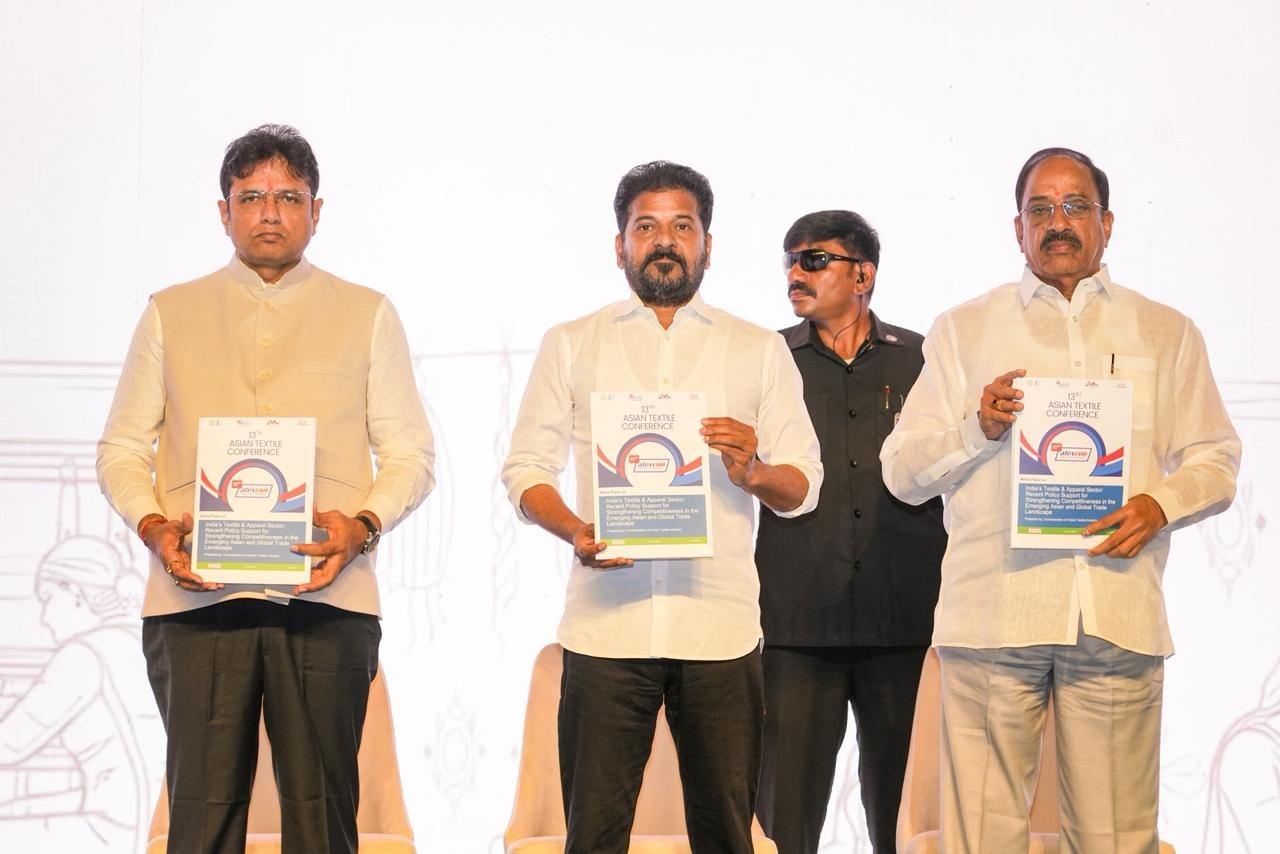
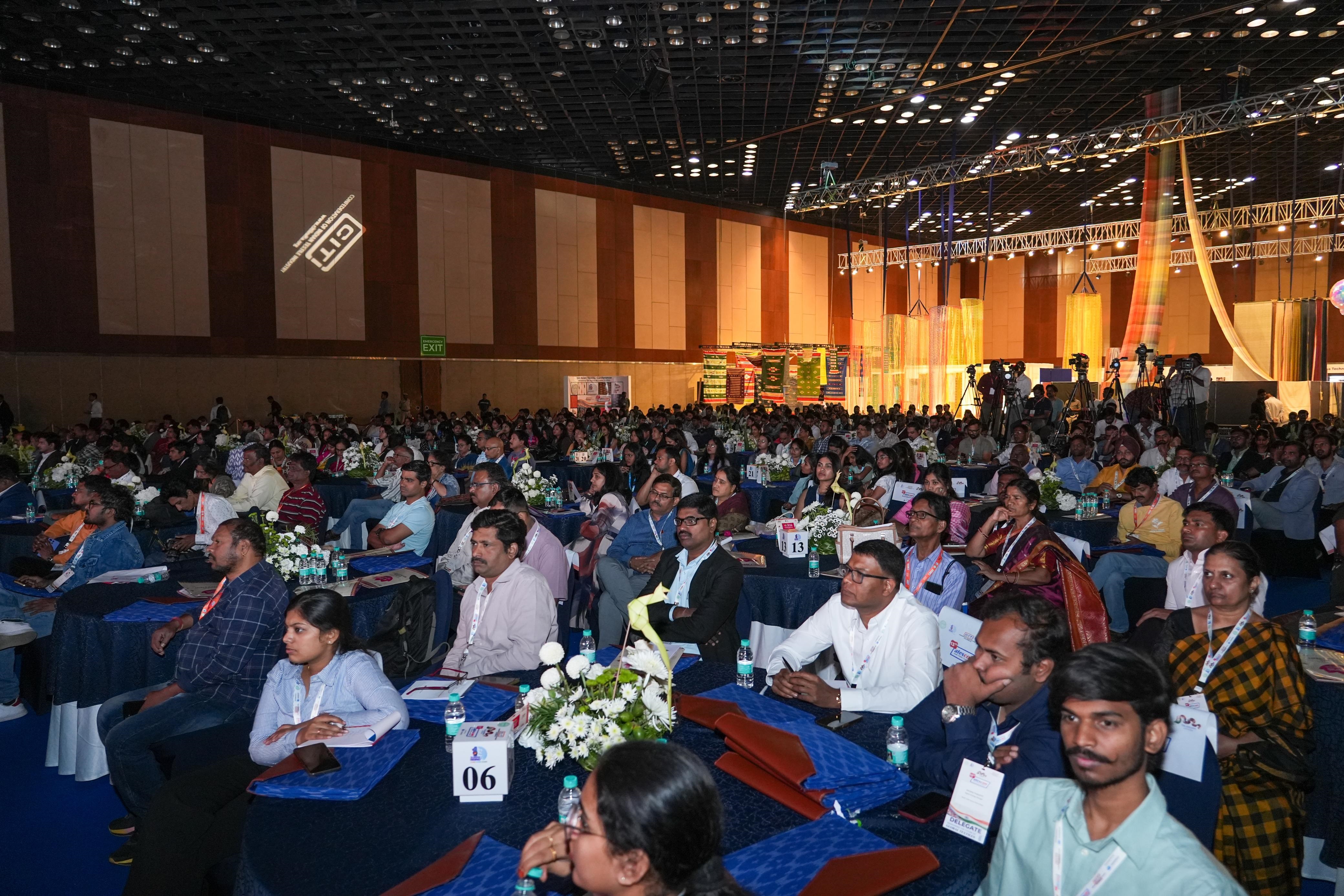
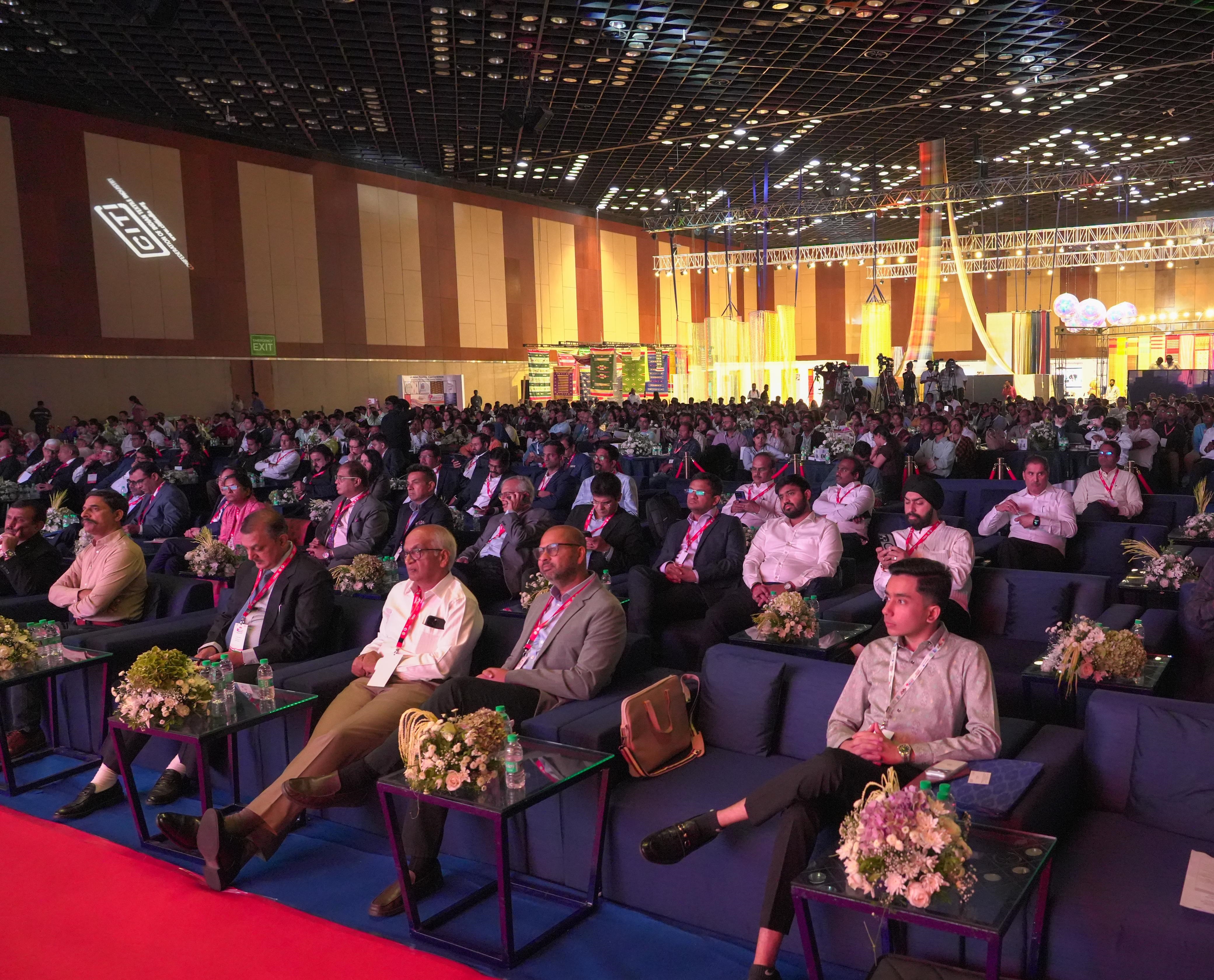
The Confederation of Indian Textile Industry (CITI) and the Government of Telangana jointly hosted the 13th Asian Textile Conference (ATEXCON 2026) in Hyderabad on April 2-3 to set the roadmap for a resilient, future-ready global textile industry. India aims to more than double textile and apparel exports to $100 billion by 2030.
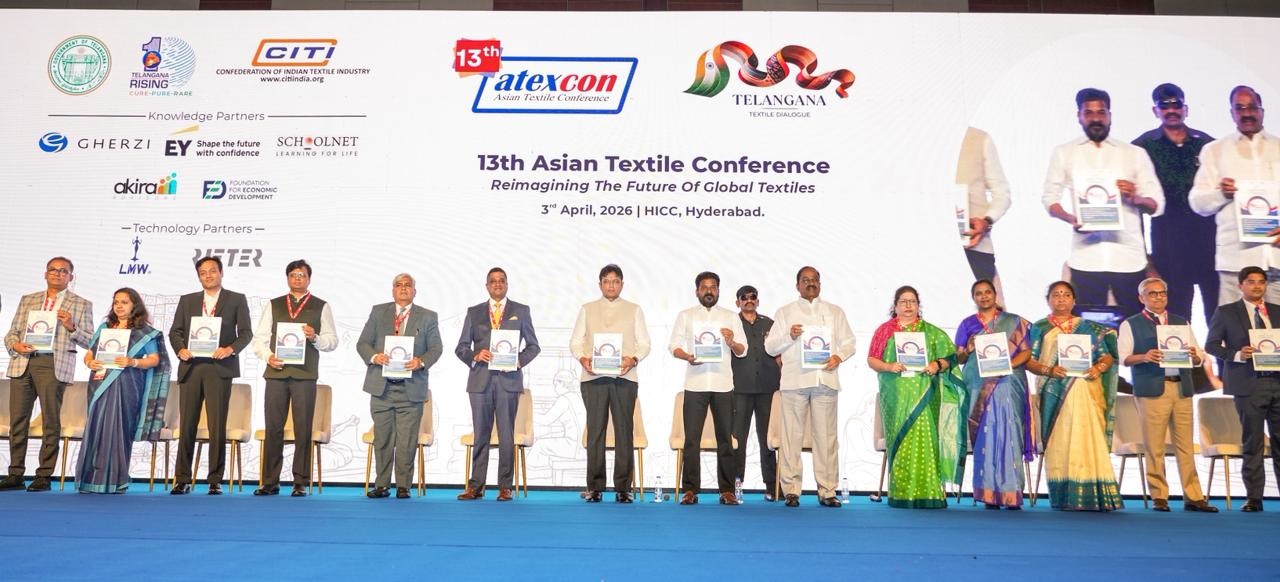
The conference brought together textile industry leaders, key policymakers and stakeholders to future-proof the sector in a landscape being reshaped by innovation, sustainability imperatives, technological disruption and shifting trade dynamics.
The summit, themed ‘Reimagining the Future of Global Textiles’, was inaugurated by the Chief Minister of Telangana, A. Revanth Reddy. Telangana Textiles Minister, Tummula Nageswara Rao and Telangana Industries & Commerce, IT, and Electronics & Communication Minister D. Sridhar Babu also addressed the gathering.
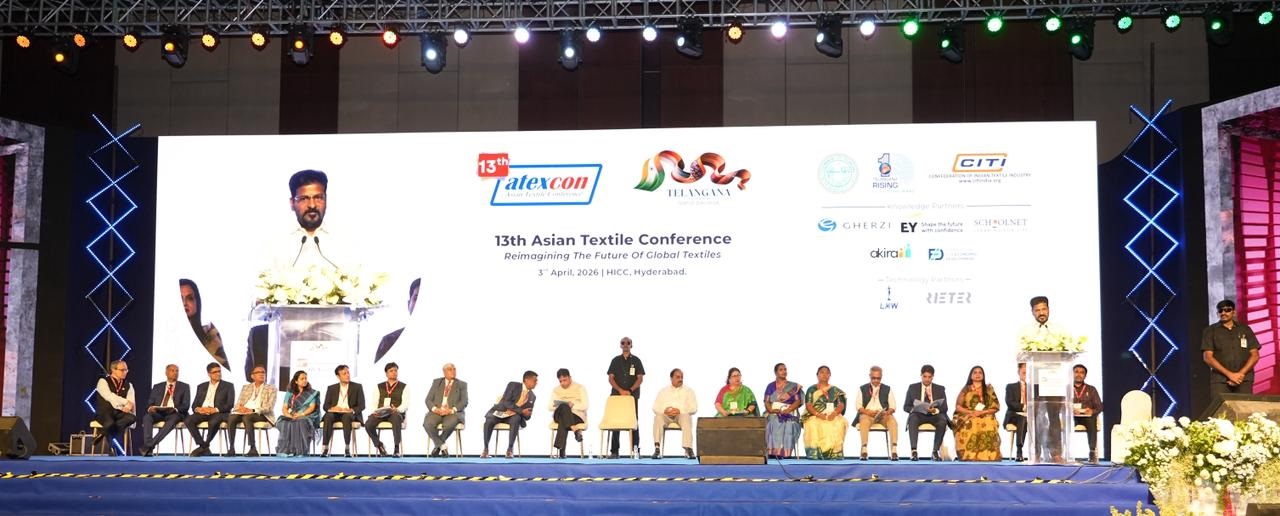
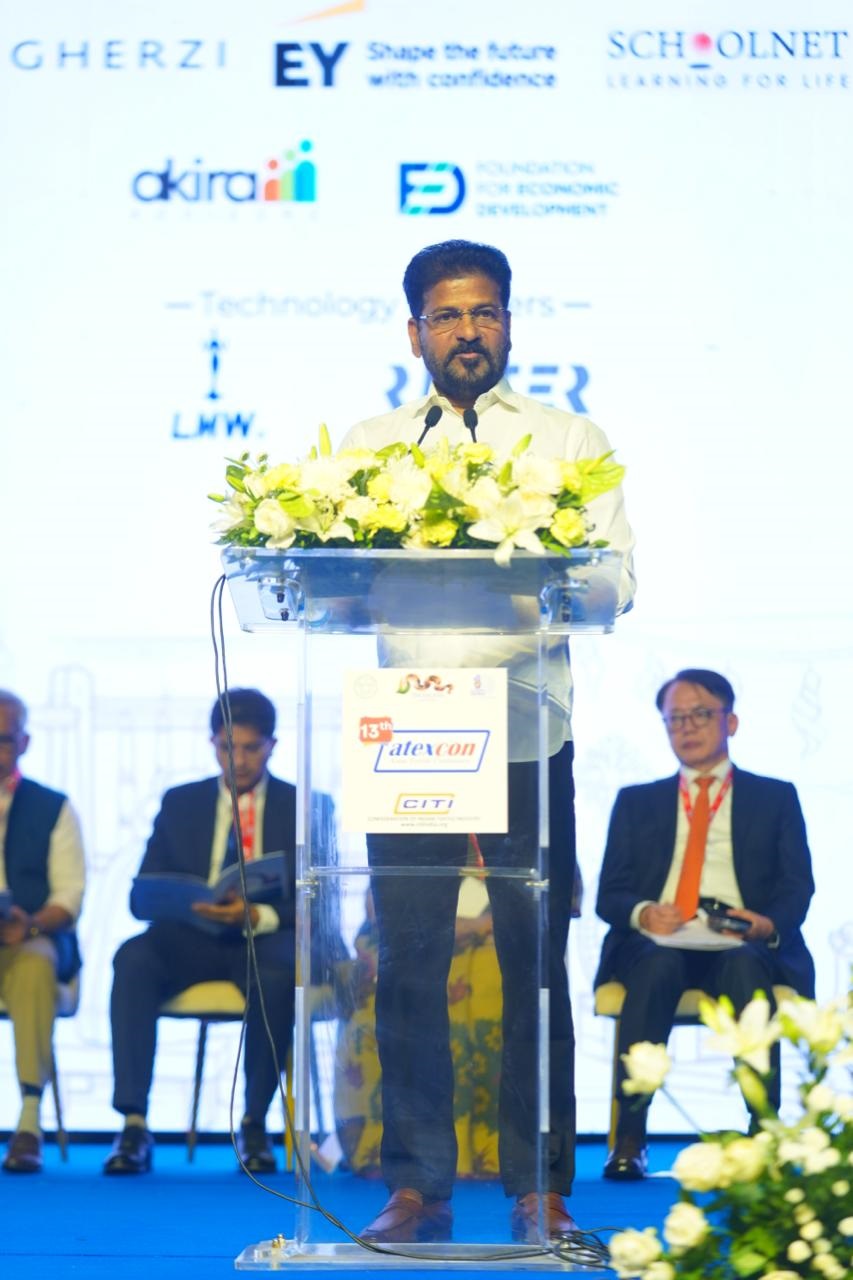
Speaking at the inauguration, A. Revanth Reddy said that Telangana has both the “skill and will” and is willing to partner with the textile industry to promote “fashion made in Telangana” and become the “textile capital of South Asia”. Highlighting the many advantages that Telangana offered, he pointed out that Telangana has accorded priority to environmental sustainability and is in the process of establishing green textile hubs.
Tummula Nageswara Rao highlighted the state’s commitment to strengthening the textile value chain.
D. Sridhar Babu emphasised the role of technology and innovation, noting that Telangana wants to integrate its heritage with the “infinite potential of the chip”. “When we weave our own fabric, we weave our own destiny,” he said.
Discussions at ATEXCON 2026 focused on three core pillars – fibres and fabrics, manufacturing and supply chains, and markets and trade, highlighting the need to scale sustainable materials, adopt advanced manufacturing technologies, and tap into emerging consumer markets.
The Telangana Textile Dialogue, convened alongside ATEXCON 2026, further deepened discussions on building a future-ready ecosystem. Key areas of focus at the Dialogue organized by the Telangana Government included policy and investment, global connectivity, heritage and innovation, and skill development.
Across the various ATEXCON 2026 sessions, panellists stressed the need for an approach that would ensure a win-win for the entire textile value chain and consumers. Speakers felt that more effectively leveraging technology, addressing structural challenges, raising the bar on innovation, and strengthening the focus on sustainability were essential to future-proof the sector in a rapidly changing global environment.
In his address, CITI Chairman Ashwin Chandran said the “traditional playbook” would no longer serve its purpose for the textile industry and needs to be replaced by one more suitable for the volatile, uncertain, complex and ambiguous environment that exists today.
Dr M Beena, Development Commissioner (Handlooms), Union Textiles Ministry, pointed out that the latest Union Budget had accorded a lot of emphasis on the textiles sector.
The event also saw the release of a Gherzi Position Paper on “Reimagining the Future of Global Textiles” and a CITI-prepared Knowledge Paper titled “India’s Textile & Apparel Sector: Strengthening Competitiveness in the Emerging Asian and Global Trade Landscape”.
The conference concluded with a shared commitment to drive innovation-led growth, enhance competitiveness, and strengthen Asia’s role in the global textile value chain.


