

FABINDIA FABELS AJAY KAPOOR EXCLUSIVE INTERVIEW GURBIR SINGH GULATI WESTERN WEAR PREMIUM APPAREL OMNICHANNEL RETAIL QUICK COMMERCE BLINKIT ZEPTO FABINDIA.COM RETAIL EXPANSION 400 STORES INTERNATIONAL EXPANSION FABINDIA.UK SINGAPORE MALAYS NATIONAL
MUMBAI, MAHARASHTRA, INDIA
By IFAB MEDIA - NEWS BUREAU - June 26, 2026 | 11 15 minutes read





Key Highlights
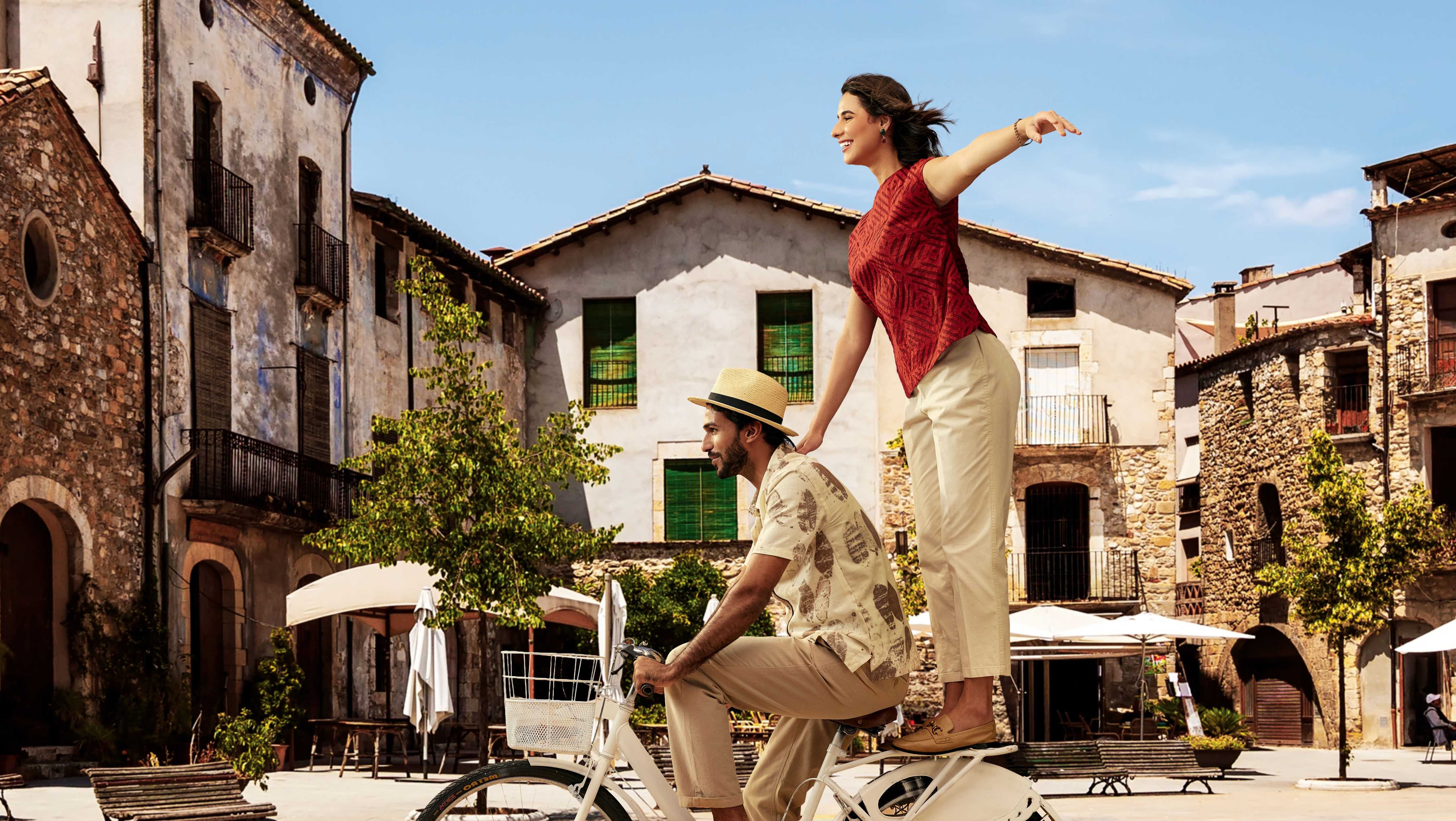
- Fabels Launch: Fabindia has introduced Fabels, a premium western wear sub-brand for men and women, aimed at positioning the brand beyond ethnic wear.
- Global Vision: Fabels will play a significant role in Fabindia's international expansion by appealing not only to the Indian diaspora but also to local global consumers through Indian craftsmanship and natural fabrics.
- Western Wear Focus: The collection includes workwear, casual wear and occasion wear with contemporary silhouettes while retaining Fabindia's handcrafted identity.
- Retail Expansion: Fabindia currently operates 368 stores, with the count set to reach 369 following the opening of its Navi Mumbai Airport Terminal store, while targeting 400 stores in the near future.
- Quick Commerce Pioneer: Fabindia became one of the first apparel brands to launch on Blinkit and Zepto, beginning with its popular white kurta-pyjama set and later expanding the assortment.
- Omnichannel Strategy: Customers can seamlessly shop across stores and online, with in-store staff using tablets to place online orders if sizes or products are unavailable.
- International Presence: Fabindia operates stores in Singapore, Malaysia, Fiji, Nepal, Italy, Dubai, Mauritius and Sri Lanka, with FabIndia.uk launching shortly and further expansion planned in Bahrain, Canada, Australia and Europe.
- Experiential Retail: Fabindia is transforming stores into experiential service centres, offering custom-made kurtas, Interior Design Studio services, alteration facilities and personalised shopping through its Fab1 Service.
- Technology Integration: QR codes across products educate customers about traditional Indian crafts such as Bagru, Dabu, Chikankari and Ikat, making heritage more accessible, especially for Gen Z shoppers.
- Spring-Summer Collection: Seasonal colour stories feature indigos for monsoon, followed by festive reds and greens, while maintaining a balanced mix of ethnic and western silhouettes.
- Customer-Centric Philosophy: Every retail initiative is designed around convenience, service and personalised experiences to strengthen customer loyalty.
- Brand Heritage: Fabindia continues to preserve India's traditional crafts while evolving into a modern lifestyle brand with a strong focus on craftsmanship, sustainability and contemporary design.
As Fabindia celebrates over six decades of championing India's rich textile heritage and artisanal craftsmanship, the iconic lifestyle brand is entering a significant new phase with the launch of Fabels, its premium western wear sub-brand. Designed for the "Global Traveller with an Indian Soul," Fabels combines contemporary international silhouettes with the handcrafted authenticity that has long defined Fabindia.
The launch represents more than a product expansion. It reflects Fabindia's broader vision of evolving into a global lifestyle brand while remaining deeply rooted in India's traditional crafts. Alongside strengthening its western wear proposition, the company is accelerating store expansion, enhancing its omnichannel capabilities, investing in experiential retail services, and preparing for an ambitious international growth journey.
In an exclusive interaction with Gurbir Singh Gulati, Editor-in-Chief of INFashionBusiness.com, at Fabindia's exclusive store in Santacruz, Mumbai, Ajay Kapoor, President – Retail, Fabindia Limited, discusses the launch of Fabels, the brand's new premium western wear label, and shares insights into Fabindia's evolving retail strategy.
He speaks about the company's omnichannel approach, rapid store expansion, international growth plans, experiential retail initiatives, technology integration, and how Fabindia is preparing to engage a new generation of consumers while staying rooted in its rich legacy of Indian craftsmanship.
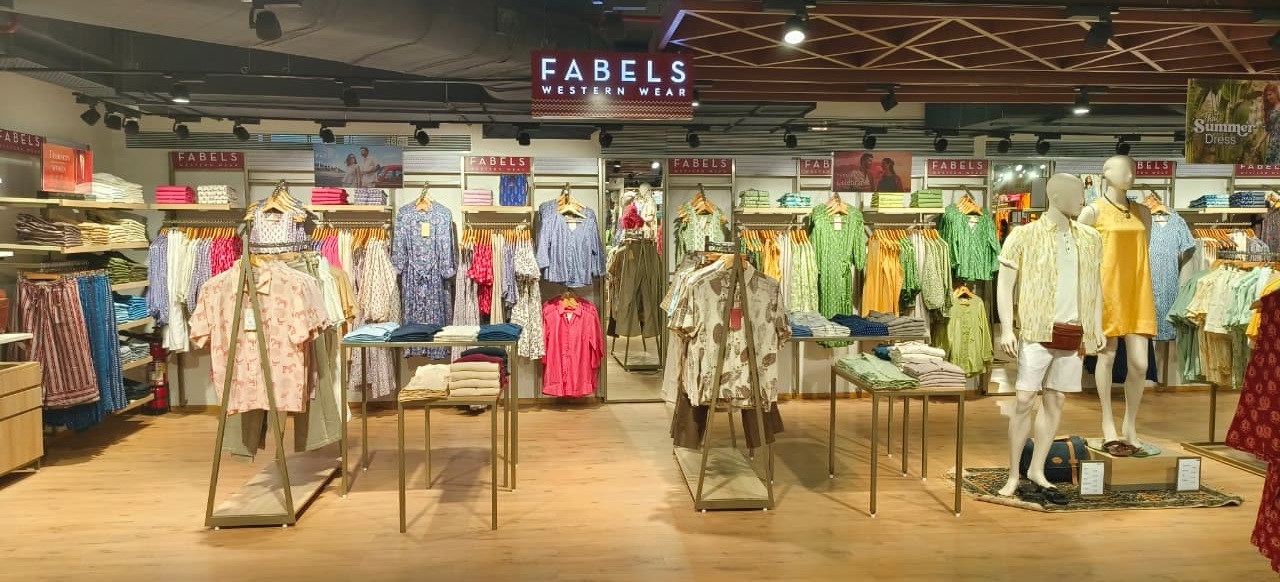
Fabindia has always been synonymous with ethnic wear. Tell us about the new addition, Fabels.
With Fabels as a new category, we are communicating that Fabindia is equally relevant in the western wear space for both men and women. Western wear has been a part of Fabindia for a long time, but perhaps we haven't showcased that side of the brand as effectively as we should have.
Through Fabels, we are making a conscious effort to reach customers not only through our offline stores but also across digital platforms, ensuring they recognize that Fabindia also has a strong western wear identity.
Secondly, Fabels is not just about introducing a new label to Indian consumers. It will also play a significant role in our international expansion strategy. When entering global markets, success doesn't come merely from catering to the Indian diaspora. Real success lies in getting local consumers to appreciate the richness of Indian textiles, fabrics and craftsmanship. Fabels will serve as an important platform for achieving that objective.
What products and categories are you exploring under the Fabels western wear label?
As you've seen today, the collection includes workwear, casual wear and essentially everything you would expect from a contemporary western wardrobe.
Are there any plans to introduce a kidswear line under Fabels?
Not in the immediate future. For now, Fabels will remain focused exclusively on men's and women's categories.
How many Fabindia stores do you currently operate?
We currently have 368 stores and counting. I say "counting" because one or two new stores are opening within the next couple of days. In fact, tomorrow I'm travelling to Navi Mumbai for the opening of our new store at the Navi Mumbai Airport Terminal. That will take our count to 369 stores, and we are looking forward to reaching the milestone of 400 stores very soon.
Omnichannel retail has become increasingly important. How do you view Fabindia's omnichannel strategy, especially as customers today expect greater convenience?
Everything we are doing is centred around customer convenience.
You may be surprised to know that around 18 months ago, Fabindia became the first apparel brand to launch on Quick Commerce platforms. We are available on Blinkit and Zepto.
It all started with our white kurta-pyjama set priced at ₹1,499. During last year's Diwali season, we expanded the offering with more kurta options, and honestly, we were pleasantly surprised by the response. It has emerged as a significant market because consumers appreciate the convenience of receiving products instantly without visiting a store.
Our own platform, Fabindia.com, continues to grow stronger with every passing day.
Inside our stores, our staff are equipped with tablets. If a customer likes a particular style but the required size isn't available, our team can immediately help place an online order. We don't want to lose a customer simply because a product isn't available in-store. Our focus is on serving customers seamlessly across every touchpoint.
.jpg)
You mentioned international expansion. Could you tell us about your current global presence and future plans?
Starting with Asia, we have one store in Singapore, three stores in Malaysia, one in Fiji, two in Nepal, two in Italy and two in Dubai.
Last year, we entered Mauritius and Sri Lanka, and we are now preparing to open our second stores in both markets.
In the next 15–20 days, we will also launch our dedicated UK e-commerce platform, Fabindia.uk. Site testing is currently underway.
Additionally, we have signed a location for our Bahrain store. Due to the recent regional disturbances, the opening was delayed, but now that conditions are stabilising, we expect to launch very soon.
We are also in discussions with potential franchise partners in Canada, Australia and a couple of additional European countries.

Fabindia has always been known for creating an experience in its stores. Today, technology also plays a major role in retail. How are you blending technology with experiential retail, particularly for Gen Z consumers?
Fabindia has always been about experience, and it will continue to remain so. What we're now adding to that experience is an even stronger emphasis on service.
We are creating what we call experiential service stores, where customers receive much more than just products.
For example, if you wish to design your own kurta, we have a swatch book that allows you to choose the fabric, collar style, sleeve options and other design elements. This level of personalization is available directly in our stores.
We also have our Interior Design Studio, where professional designers visit customers' homes, prepare CAD drawings, and recommend furniture, furnishings, bed linen, curtains and décor solutions. We are currently executing several large turnkey projects, including one major project in Delhi.
Another initiative is our Fabone Service, created initially during the COVID period for our Black, Platinum and Gold members. Through this service, our team reaches out to customers at home, assists them with shopping and arranges doorstep delivery.
We are also introducing Alteration Studios within stores. If you find a kurta you love but need adjustments or size modifications, those services will be available on-site.
These are some of the differentiators we are bringing into our retail experience.
As far as technology is concerned, particularly for younger consumers, we are introducing QR codes across products. By scanning these codes, customers can learn about traditional Indian crafts such as Bagru, Dabu, Chikankari, Ikat and many other weaving and printing techniques.
This enables younger generations to understand the heritage and craftsmanship behind every product, making the shopping experience more meaningful and educational.

Tell us about your Spring-Summer collection. What themes and innovations can customers expect this season?
Every product we create is thoughtfully designed and carefully curated.
Our colour stories evolve with the seasons. During the monsoon, indigo shades dominate the collection. As we move into the pre-festive and festive seasons, you'll see richer colours like reds and greens.
We've also noticed strong customer acceptance for shades such as lilac and purple recently.
The colour palettes are influenced by both international and domestic trends.
From a silhouette perspective, we are maintaining a careful balance between ethnic and western wear. Ethnic continues to be our strongest category, but at the same time we are steadily expanding the western face of the brand through Fabels without compromising our core identity.
Is there anything we haven't asked that you would like to share with our readers?
All of you from the media have been associated with Fabindia for many years, and we truly value that relationship. Your continued support has played an important role in helping the brand reach where it is today.
We sincerely hope that through your stories, more customers will discover Fabindia, visit our stores, and continue to remain loyal to the brand.
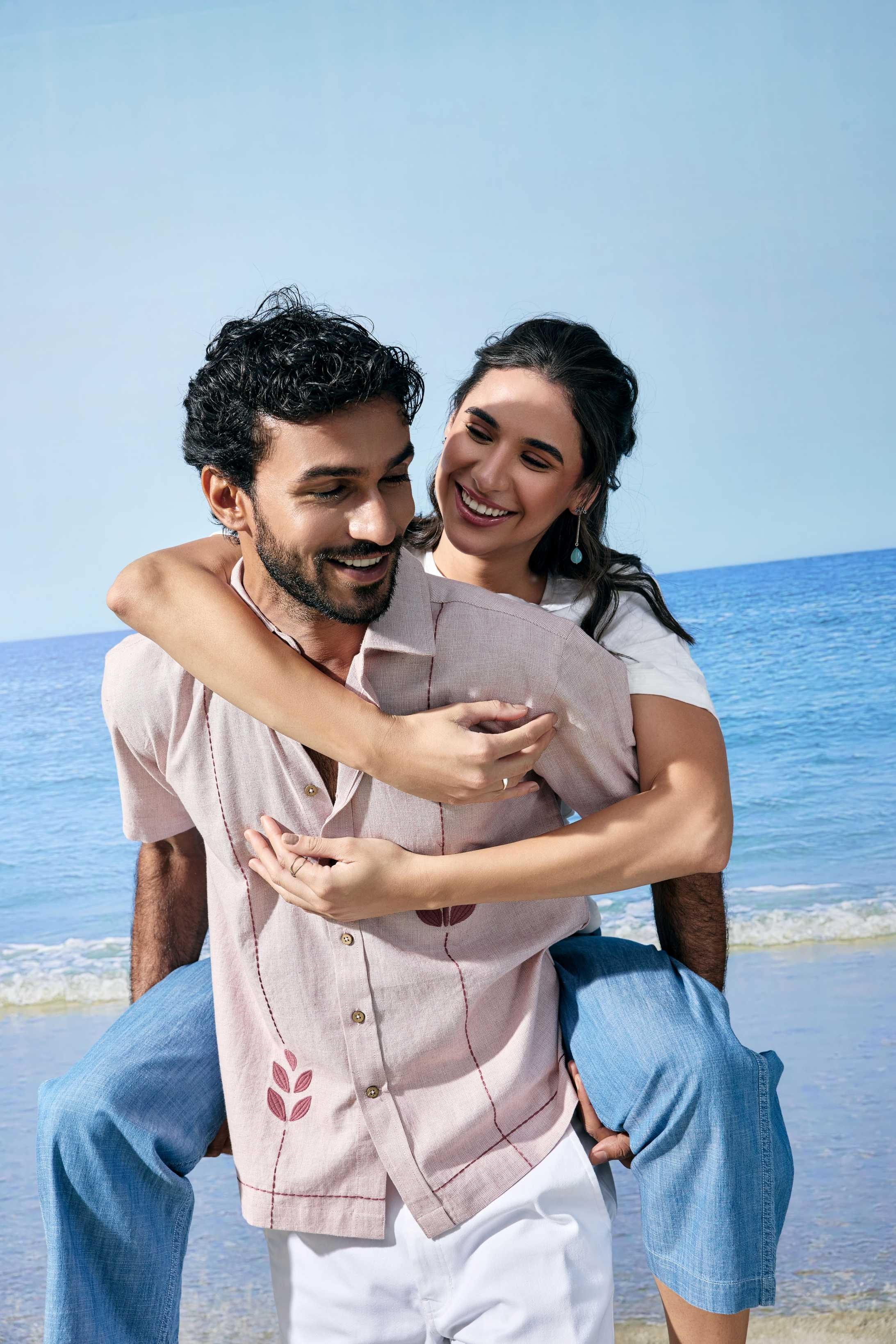
With the launch of Fabels, Fabindia is not moving away from its heritage—it is expanding the canvas on which that heritage is expressed. The brand's strategy combines contemporary western fashion with India's rich artisanal traditions while simultaneously investing in omnichannel convenience, personalised retail experiences, technology-led engagement and international expansion.
As the company moves towards the milestone of 400 stores, strengthens its presence across global markets and introduces innovative customer-centric services, Fabindia is positioning itself as more than an ethnic lifestyle brand. Instead, it is building a holistic, globally relevant fashion and lifestyle ecosystem that continues to celebrate Indian craftsmanship while evolving with the aspirations of modern consumers.


