

RANIWALA 1881 BEJEWELLED RANI RATNA ANGRAKHA JAIPUR JEWELLERY HERITAGE JOHRI BAZAAR ABHISHEK RANIWALA ABHIYANT RANIWALA TRADITIONAL KARIGARI JADAU PACHI WORK POLKI DIAMONDS MEENAKARI ROSE-CUT STONES COLOURED GEMSTONES INDIAN CRAFTSMANSHIP CU NATIONAL
JAIPUR, RAJASTHAN, INDIA
By IFAB MEDIA - NEWS BUREAU - January 7, 2026 | 38 2 minutes read






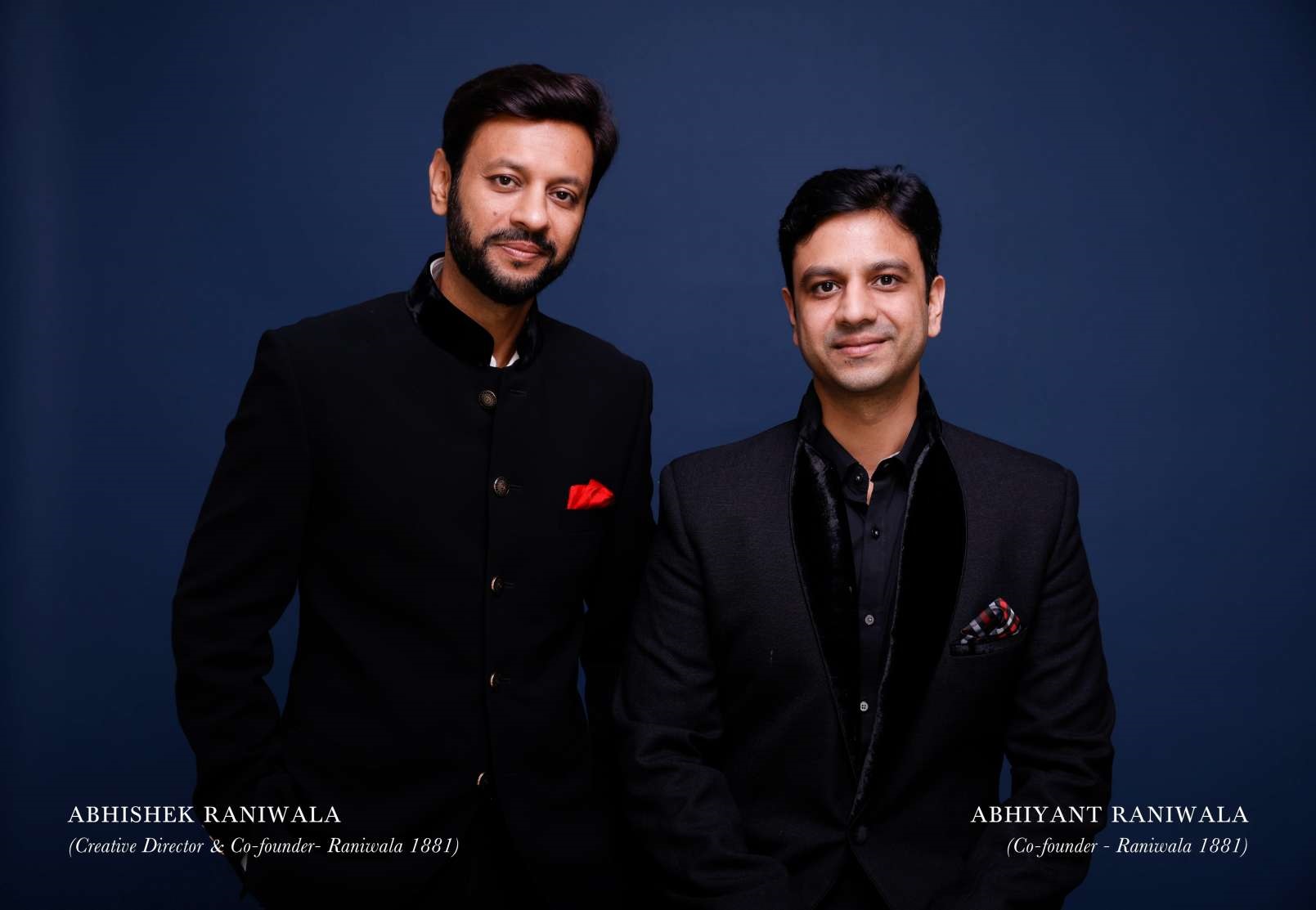
“Johri Bazaar (the market of jewellers) was envisioned as a place where jewellers and traditions could exist together with respect and purpose. The Bejewelled Rani Ratna Angrakha is our way of translating that idea into a single form, one that refl ects how culture has always lived, evolved, and been worn in Jaipur by the art of making jewellery.” — Abhishek Raniwala, Creative Director and Co-founder, Raniwala 1881.
The Bejewelled Rani Ratna Angrakha (Blouse) by Raniwala 1881 emerges from a deep-seated passion of Abhishek and Abhiyant Raniwala for Jaipur’s artistic and cultural heritage, and a responsibility to preserve it through meaningful creation. It shows a way of making jewellery that respects long-standing practices, deep understanding of materials, and cultural meaning - treating tradition as something that lives and evolves.
This perspective is rooted in Jaipur’s planned urban history, shaped under Maharaja Sawai Jai Singh II, where commerce, culture, and craft were designed to coexist. Central to this vision is Johri Bazaar (established in the 18th century), the city’s historic jewellery quarter, which for nearly three centuries has functioned as a living ecosystem of jewellery-making, sustaining generational knowledge and shared technique. The Angrakha draws directly from this ethos, bringing together multiple jewellery karigari Johri Bazar.
Refl ecting this layered heritage, the Bejewelled Rani Ratna Angrakha crafted using approximately 840 grams of gold and silver brings together pachi work, jadau, polki diamonds, rose-cut stones, meenakari, talaf detailing, and coloured gemstones on a single surface. These are traditions that defi ned Johri Bazaar in the eighteenth century and continue to resonate as meaningful cultural expressions & craftsmanship.


