
CITI INDIAN TEXTILE AND APPAREL SECTOR UNION BUDGET ASHWIN CHANDRAN RAW MATERIAL STABILITY COTTON IMPORT DUTY MSP REFORM COTTON PRICE STABILISATION FUND MAN-MADE FIBRES GREEN TECHNOLOGY SCHEME MSMES TECHNOLOGY UPGRADATION INDIGENOUS TEXTILE MA NATIONAL
NEW DELHI, INDIA
By IFAB MEDIA - NEWS BUREAU - January 19, 2026 | 58 5 minutes read





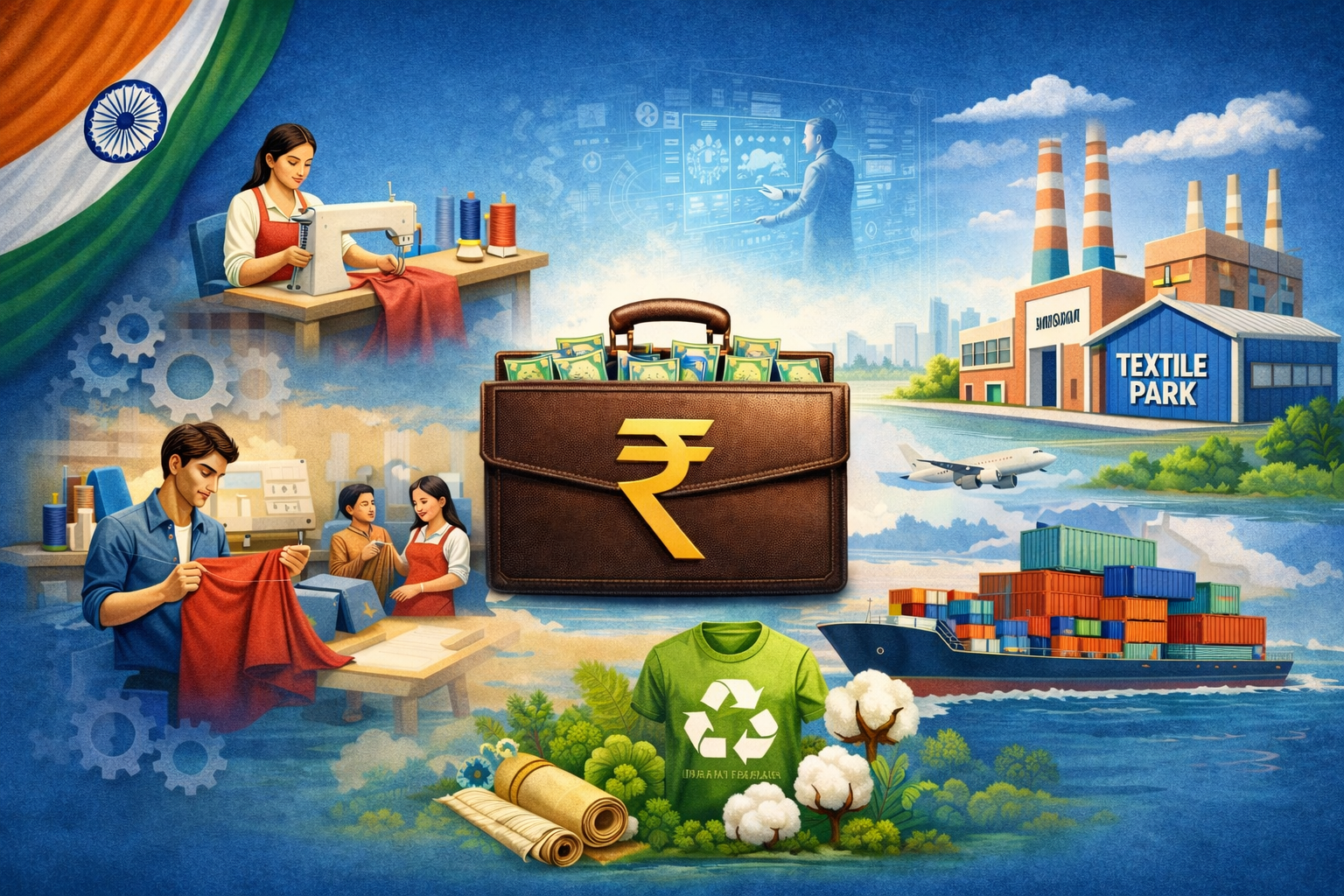
The Confederation of Indian Textile Industry (CITI) expects the upcoming Budget to futureproof India’s textile and apparel sector through measures that will make the arena more resilient, innovative, and globally competitive.
“Our optimism that the forthcoming Union Budget will significantly move the needle on policy and regulatory reforms is bolstered by the government’s steadfast commitment to the growth and development of India’s textile and apparel sector,” CITI Chairman Ashwin Chandran said.
“The Budget enabling the creation of a stronger growth ecosystem for the Indian textile and apparel sector can also have a positive ripple effect on the Viksit Bharat (developed India) goal,” Chandran added.
India’s textile and apparel sector is the second-largest provider of jobs and livelihoods in the country. It is also a significant contributor to the country's GDP and exports.
Some of the specific measures that the Confederation of Indian Textile Industry (CITI) would like to see in the coming Budget are:
1. Raw material and price stability-related:
• Removal of import duty on all varieties of cotton fibre.
• Change in MSP formula for cotton to align with international benchmark prices.
• Launch of a Cotton Price Stabilisation Fund.
• Ensure availability of Man-made fibres (MMF) at globally competitive prices.
2. Competitiveness, technology, and sustainability-related:
• Launch of a Green Technology Scheme to support MSMEs’ transition to clean energy and sustainable practices.
• Launch of an alternative scheme to the erstwhile Technology Upgradation Fund Scheme.
• Launch of a scheme to promote indigenous textile machinery manufacturing.
• Address high power costs and industrial cross-subsidies.
• Establishment of a National Textile Fund.
3. Trade Facilitation-related
• Extension of RBI’s Trade Relief Measures to cover the entire textile value chain.
• Increase in Basic Customs Duty on all types of knitted fabric to curb imports at unviable prices.
• Reintroduction of the MEIS Scheme.
• Extension of the facility of Duty-free Import of specified items/goods to exporters of Made-ups.
“Combined, these measures could increase the resilience of India’s textile and apparel sector and help it become a more powerful force globally, while also contributing towards realising the national target of creating a $350 billion textile and apparel industry in India by 2030,” Chandran said.
India’s textile and apparel sector has been hit hard by the 50% US tariff on Indian goods, effective August 27, 2025. The steep US tariff has adversely affected numerous Indian textile and apparel companies, thereby increasing the risk that millions of people working in this sector may lose their jobs and livelihoods.
The US is the single-largest market for India’s textile and apparel exports, contributing almost 28% to the total revenue of the country’s textile and apparel exporters. India’s exports of textile and apparel products to the US were valued at nearly $11 billion in the fiscal year 2024-25.
“India’s textile and apparel exporters have stepped up their diversification efforts, but it is tough to quickly make up for potential business losses in the US. Also, while existing and upcoming FTAs would create new opportunities for India’s textile and apparel sector, these benefits will require time to materialise,” Chandran said.


