

ODISHA UNIVERSITY OF TECHNOLOGY AND RESEARCH OUTR MOU STATE DIRECTORATE OF TEXTILES HANDLOOM SECTOR TECHNOLOGY UPGRADATION QUALITY TESTING AND STANDARDISATION WEAVER TRAINING PROGRAMMES LOOM TECHNOLOGY RESEARCH DYEING AND QUALITY CONTROL STUDENT NATIONAL
INDIA
February 16, 2026 | 6 3 minutes read





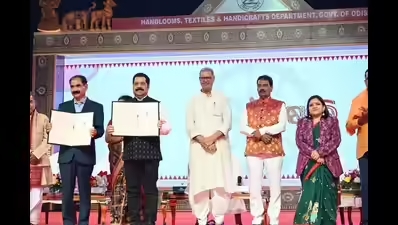
The Odisha University of Technology and Research (OUTR) has entered into a three-year Memorandum of Understanding (MoU) with the state Directorate of Textiles to jointly advance research, innovation and capacity building in the handloom and textile sector.
The agreement was formalised during the inauguration ceremony of the Grand Toshali Swadeshi Mela on Saturday evening, in the presence of Deputy Chief Minister KV Singh Deo.
Speaking on the occasion, OUTR Vice-Chancellor Bibhuti Bhusan Biswal stated that the partnership is aimed at modernising technology, enhancing product standards and organising structured training programmes for weavers and associated stakeholders. The collaboration will also focus on establishing facilities for quality testing and standardisation, strengthening market access, promoting sustainable and eco-friendly materials and processes, and systematically documenting traditional textile knowledge and practices.
He further noted that the partnership will involve joint research initiatives in areas such as loom technology, dyeing techniques and quality control systems. Opportunities will also be created for students through internships, field assignments and final-year projects in collaboration with weaver clusters and production hubs.
According to official sources, the scope of the MoU extends to developing improved tools, devices and production processes aimed at increasing productivity, reducing manual strain and elevating product quality. The collaboration will also encourage design innovation by blending traditional motifs with contemporary aesthetics, alongside conducting workshops, seminars and skill-development programmes to strengthen industry capabilities.
Additionally, the agreement includes provisions for documenting indigenous textile knowledge, producing technical publications and case studies, offering consultancy and advisory support, and sharing institutional resources such as laboratories, infrastructure and technical expertise.


