



COTTON IMPORTS CUSTOMS DUTY EXEMPTION MINISTRY OF TEXTILES GOVERNMENT OF INDIA TEXTILE INDUSTRY MSMEs COTTON VALUE CHAIN RAW MATERIAL COSTS INDIAN TEXTILES COTTON FARMERS AIDC TEXTILE EXPORTS YARN FABRIC GARMENTS MADE-UPS MARKET STABILITY NATIONAL
NEW DELHI, INDIA
By IFAB MEDIA - NEWS BUREAU - June 1, 2026 | 93 3 minutes read





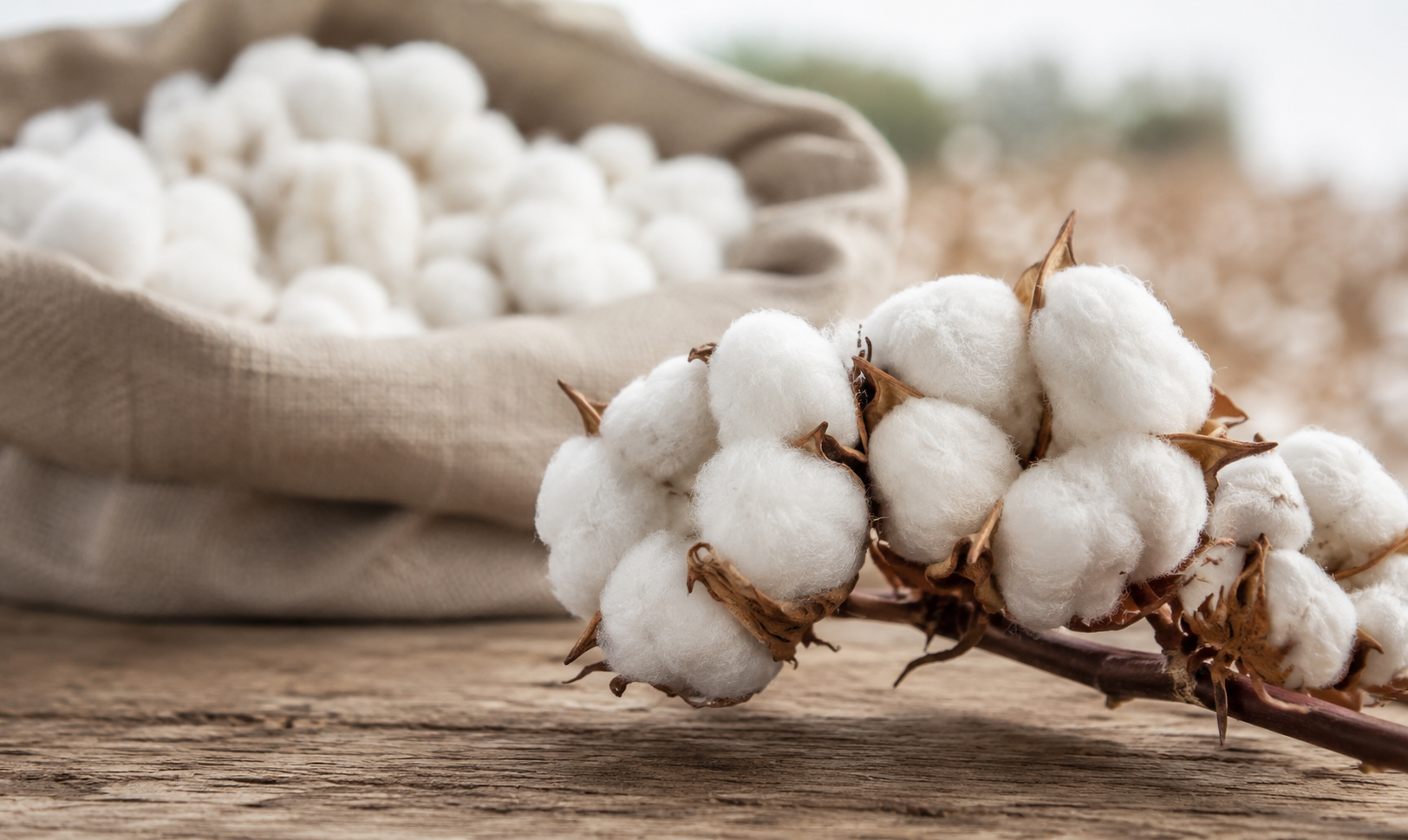
In a significant move aimed at strengthening India’s textile sector, the Government of India has temporarily exempted all customs duties on cotton imports from June 1 to October 31, 2026. The decision is intended to ensure adequate availability of cotton for the domestic textile industry while balancing the interests of cotton farmers and the broader cotton value chain.
Announcing the measure, the Ministry of Textiles said the exemption has been introduced during the cotton off-season to improve raw material availability, moderate input costs, and enhance the competitiveness of Indian textile manufacturers, particularly micro, small and medium enterprises (MSMEs). The ministry emphasized that the move has been carefully designed to safeguard farmers’ interests while ensuring market stability.
The exemption applies to imports of raw cotton and will remain in force until October 31, 2026. Along with customs duty, the government has also exempted the Agriculture Infrastructure and Development Cess (AIDC) on cotton imports during the specified period.
The Ministry of Finance noted that the temporary relief is expected to reduce input costs across the textile and apparel value chain, including yarn, fabric, garments and made-ups. The measure is anticipated to benefit manufacturers and exporters by improving access to competitively priced cotton and strengthening India's position in global textile markets.
Industry stakeholders have largely welcomed the announcement, viewing it as a timely intervention to improve cotton availability and support export competitiveness. Textile manufacturers and MSMEs, which have been facing fluctuating raw material costs, are expected to benefit from improved supply conditions and lower production expenses.
According to reports, the government’s decision comes at a time when the textile sector is seeking greater access to contamination-free cotton and cost-effective raw materials to meet domestic and international demand. The duty waiver is also expected to provide relief to exporters navigating a challenging global trade environment.
The announcement had an immediate impact on market sentiment, with shares of several textile companies witnessing gains following the government's decision. Market participants interpreted the move as a positive step towards improving margins and ensuring stable raw material supplies for the industry.
With textiles remaining one of India’s largest employment-generating industries and a key contributor to exports, the temporary duty exemption is expected to support the sector’s growth while maintaining a balance between industrial requirements and farmer welfare.


