
RAYMOND LIFESTYLE GAUTAM HARI SINGHANIA UK-INDIA FREE TRADE AGREEMENT GLOBAL EXPANSION INTERNATIONAL GROWTH UK MARKET INDIAN MANUFACTURING CHINA PLUS ONE STRATEGY ETHNIX OCCASION WEAR INNERWEAR CHAIRMAN'S COLLECTION MODERN INDIAN MAN LIFESTYL NATIONAL
INDIA
By IFAB MEDIA - NEWS BUREAU - June 24, 2026 | 0 5 minutes read





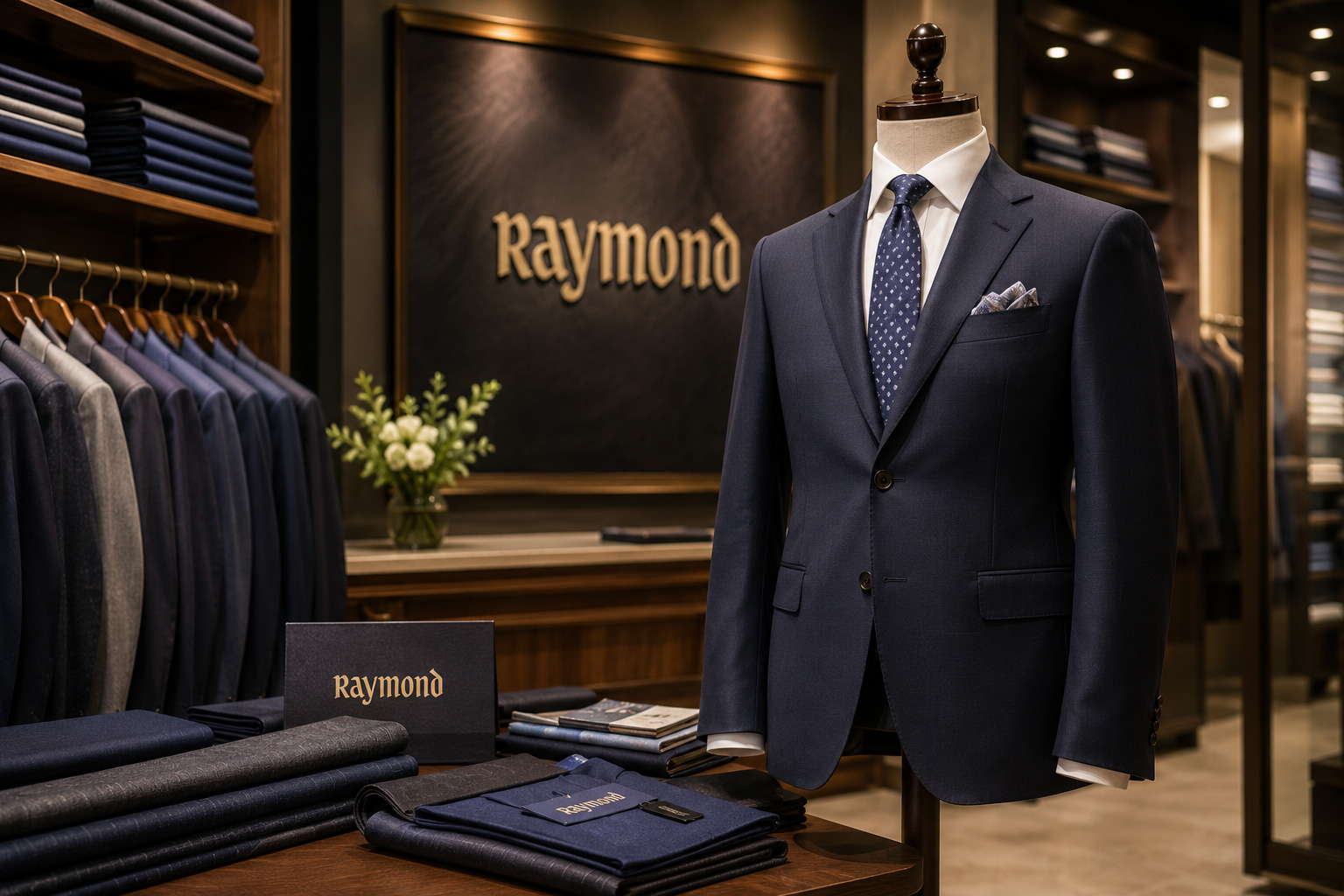
As global apparel supply chains undergo a significant transformation and international trade agreements reshape market opportunities, Raymond Lifestyle Ltd is setting its sights on accelerated global growth, with Executive Chairman Gautam Hari Singhania identifying the UK-India Free Trade Agreement as a key catalyst for expanding the brand's international presence.
In his address to shareholders in the company's Annual Report 2025-26, Singhania outlined Raymond’s long-term vision of evolving into a global lifestyle powerhouse while capitalising on emerging opportunities created by changing geopolitical dynamics, manufacturing realignments, and favourable trade policies.
Reflecting on the company's international aspirations, Singhania stated that Raymond is positioning itself for a “bold international future,” with the recently concluded UK-India Free Trade Agreement expected to create new opportunities for the company in one of the world’s most sophisticated fashion markets.
“The landmark UK-India Free Trade Agreement opens an exciting avenue for our global ambitions. This agreement creates a premier platform where quality British tailoring traditions meet Indian manufacturing excellence, allowing us to capture one of the world's most discerning fashion markets,” he said.
He further added, “We step into the future not just as participants in the global fashion arena, but as leaders shaping it.”
While outlining the company’s growth strategy, Singhania highlighted that Raymond’s future roadmap extends beyond its traditional strengths in formal menswear and textiles. The company is expanding into adjacent lifestyle categories aimed at strengthening its position as a complete wardrobe solution for the modern Indian consumer.
“Our vision is anchored in lifestyle evolution and market expansion. Our strategic entry into adjacent categories — Ethnix for occasion wear, innerwear, and the newly launched Chairman’s Collection — is a deliberate extension of our trusted brand, designed to own the complete wardrobe of the modern Indian man,” he noted.
Singhania also pointed to broader global manufacturing trends that are increasingly favouring India as a sourcing and production destination. Amid shifting geopolitical realities and growing efforts by multinational corporations to diversify supply chains, India has emerged as a credible alternative under the widely adopted “China-plus-one” strategy.
“The ‘China-plus-one’ strategy is an accelerating operational reality. With its vast manufacturing base, engineering talent, and democratic governance, India stands as the single-most credible alternative at scale,” he said.
According to Singhania, India’s manufacturing ecosystem is being further strengthened through government initiatives such as the Production Linked Incentive (PLI) schemes, the National Manufacturing Mission, and strategic bilateral trade agreements, including the UK-India Free Trade Agreement.
“These initiatives form the architecture of an emerging manufacturing superpower,” he observed.
While acknowledging that FY26 was marked by challenges for the global textile and apparel industry, including shifting trade dynamics and tariff recalibrations, Singhania said India’s robust domestic demand environment provided a strong foundation for growth.
“FY26 tested the global textile and apparel industry via shifting trade dynamics and tariff recalibrations. Yet, the resilience of India’s domestic consumption served as a powerful counterweight, anchoring our growth,” he stated.
As Raymond Lifestyle continues to broaden its portfolio and strengthen its global footprint, the company is positioning itself to leverage India’s growing prominence in global manufacturing while building a stronger presence in international fashion markets. The combination of trade agreements, category expansion, and evolving consumer preferences is expected to play a pivotal role in shaping the company’s next phase of growth.


