

MAHARASHTRA EKHATH SHINDE ASSOCHAM FARM TO FOREIGN CONCLAVE 2026 5F VISION FARM TO FIBRE FIBRE TO FACTORY FACTORY TO FASHION FASHION TO FOREIGN TEXTILE INDUSTRY TEXTILE EXPORTS PM MITRA PARK NAGPUR AMRAVATI TEXTILE CLUSTER ICHALKARANJI SOLA NATIONAL
MUMBAI, MAHARASHTRA, INDIA
By IFAB MEDIA - NEWS BUREAU - August 19, 2026 | 162 4 minutes read





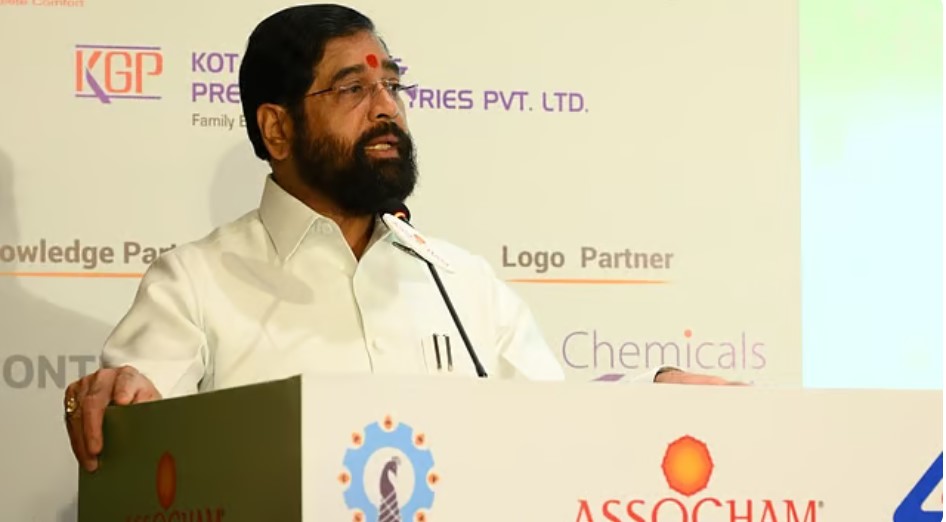
Maharashtra is stepping up efforts to strengthen its position as a globally competitive textile and export hub by integrating the entire value chain from farm to international markets.
The state’s strategy was highlighted by Maharashtra Deputy Chief Minister Eknath Shinde while delivering the inaugural address as chief guest at the ASSOCHAM Farm to Foreign Conclave 2026 in Mumbai.
Shinde drew attention to Prime Minister Narendra Modi’s 5F vision — Farm, Fibre, Factory, Fashion and Foreign — and said Maharashtra’s established textile heritage, modern infrastructure and growing manufacturing and export capabilities provide a strong foundation for taking Made in Maharashtra products to international markets.
He highlighted key textile and manufacturing initiatives across the state, including the PM MITRA Park in Nagpur, Amravati Textile Cluster, as well as garment clusters in Ichalkaranji, Solapur and Bhiwandi. According to Shinde, the future of manufacturing will be increasingly green, digital, transparent and globally benchmarked.
The Deputy Chief Minister also emphasised the importance of taking Maharashtra’s traditional products to international consumers, particularly Paithani sarees and Kolhapuri footwear, by leveraging their distinctive cultural and craftsmanship credentials.
Further strengthening the state’s efforts to preserve and showcase its textile heritage, a Textile, Craft and Cultural Museum is being developed at the historic India United Mill site in Byculla. The museum is expected to showcase Maharashtra’s rich textile, handicraft and cultural legacy.
Speaking at the conclave, Kartikay Dhanda, Secretary and CEO, Textile Committee, Government of India, highlighted sustainability and traceability as increasingly important pillars of India’s textile industry. He pointed to ongoing initiatives focused on textile waste recovery, circularity, alternative fibres, improving cotton productivity and reducing compliance costs.
Milind Hardikar, Chairman, ASSOCHAM Maharashtra State Council, said sustainability has emerged as a significant driver of competitiveness for the textile sector and called for stronger collaboration across the entire value chain.
Adding to this, Alok Mishra, Co-Chair, ASSOCHAM, emphasised the potential of sustainability to create greater value for the textile industry, with renewable energy, water efficiency and circularity emerging as key areas of focus.
The conclave also witnessed the release of a knowledge report titled ‘Advancing India’s 5F Vision for a Sustainable, Traceable and Globally Competitive Textile Value Chain’, outlining key priorities for strengthening India’s textile ecosystem and enhancing its global competitiveness.


