

SUSTAINABILITY ARTIFICIAL INTELLIGENCE DIGITALIZATION DIGITAL COLOR MANAGEMENT SUPPLY CHAIN AGILITY NEAR-SHORING LOCALIZATION HYPER-LOCALIZATION MICRO-TRENDS PERSONALIZATION CULTURAL HERITAGE INDIAN FASHION MARKET TREND FORECASTING DATA-DRIVE NATIONAL
MUMBAI, MAHARASHTRA, INDIA
By IFAB MEDIA - NEWS BUREAU - October 4, 2026 | 45 12 minutes read





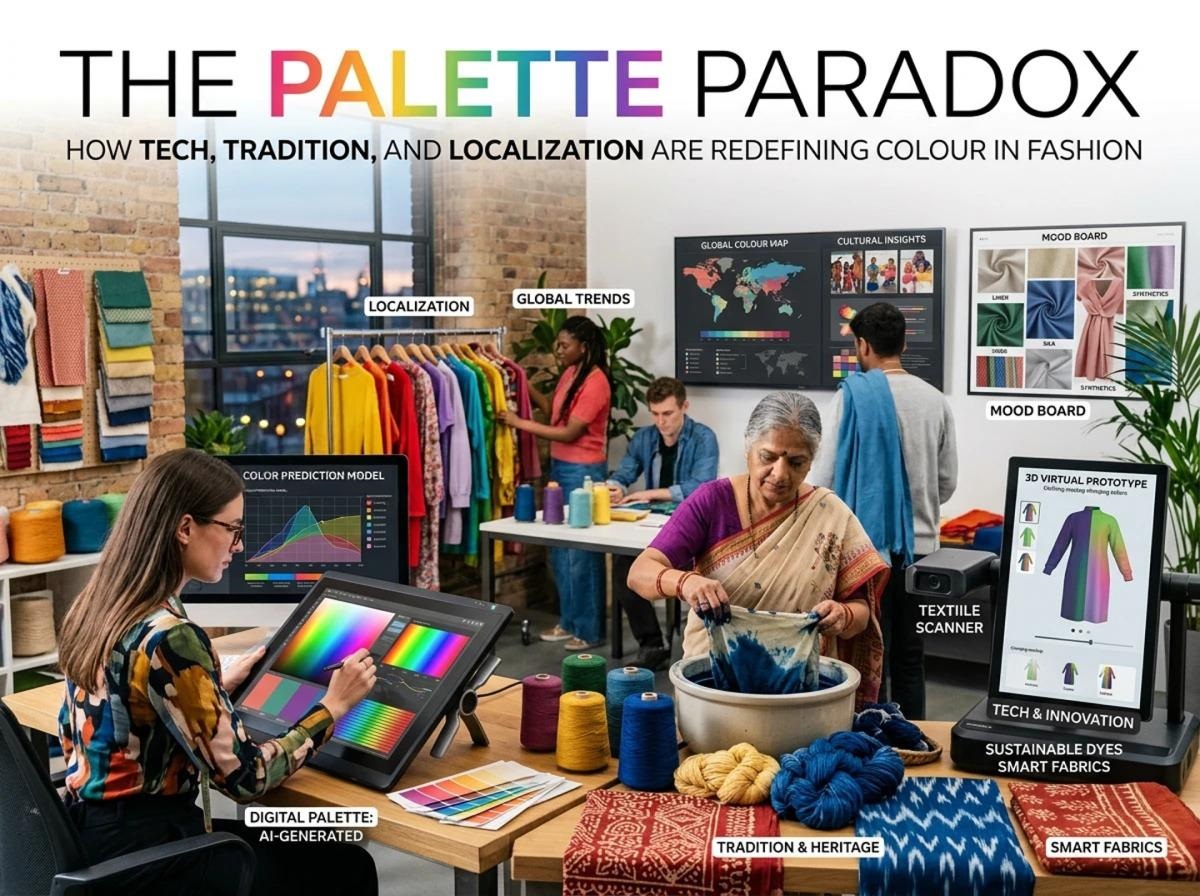
The global fashion landscape is undergoing a monumental shift in how color is conceptualized, communicated, and consumed. Traditionally governed by top-down, long-lead seasonal forecasts born out of European trade shows like Première Vision and Interstoff, color has transformed from a static creative guess into an agile, data-driven science. Today, the convergence of Artificial Intelligence (AI), social-media-driven trend acceleration, supply chain digitisation, and shifting consumer expectations is dismantling conventional seasonal calendars.
Nowhere is this transformation more dynamic than in India. As one of the world's most culturally nuanced and fast-growing fashion markets, India presents a unique paradox: while consumers remain attuned to hyper-speed global trends amplifed by social platforms, their buying decisions are deeply anchored in regional climate, skin tones, festive traditions, and cultural symbolism. Global euro-centric palettes are giving way to localized color intelligence, supported by sustainable digital workflows and near-shoring strategies.
Below, industry stalwarts and thought leaders share their exclusive insights on how technology, sustainability, hyper-localization, and identity are shaping the future of fashion’s most powerful visual cue.
Industry Perspectives
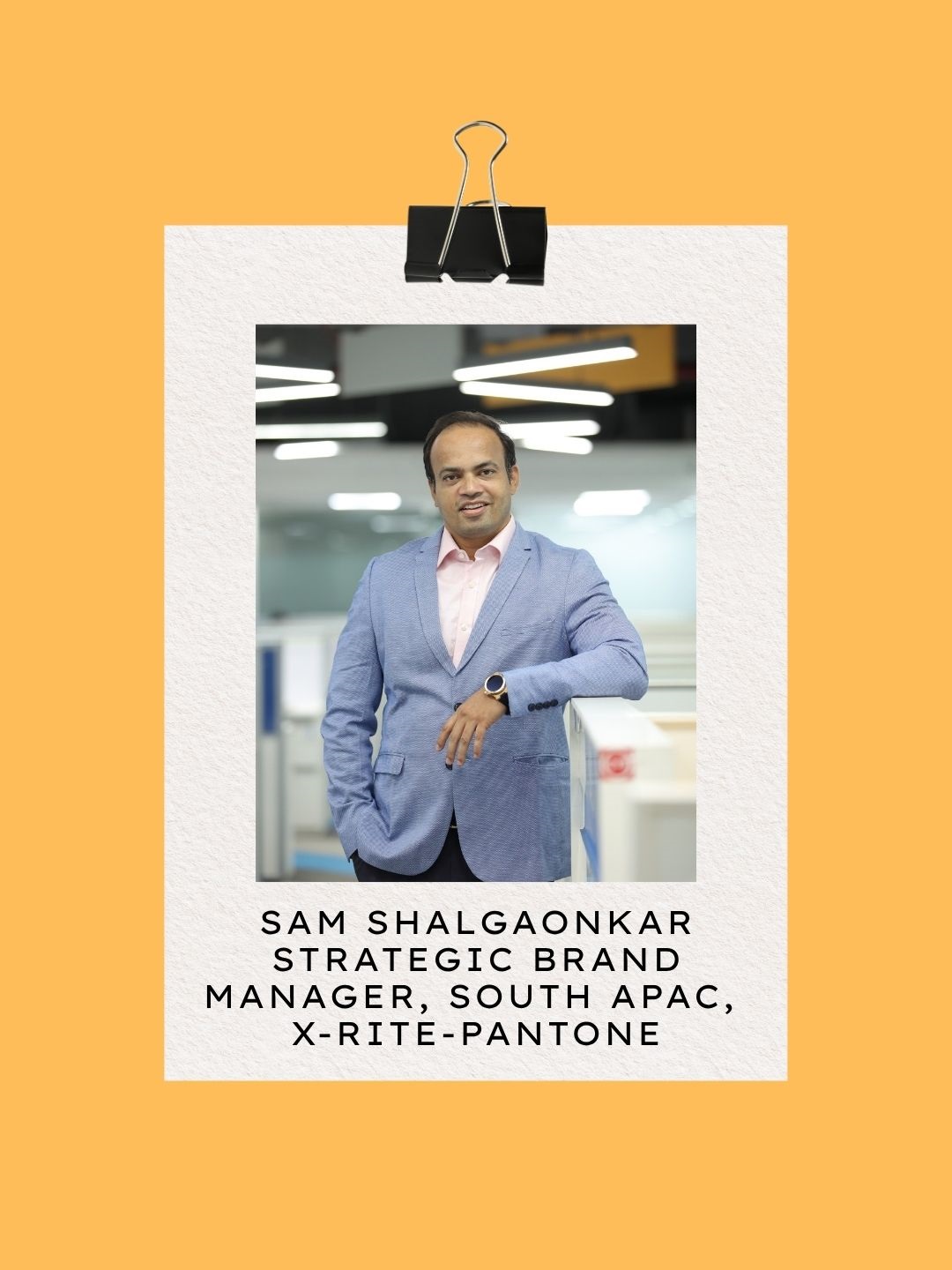
The business of color in fashion is evolving rapidly, driven by sustainability, AI, digitalisation, and changing consumer preferences. Sustainability and AI are leading the way, accelerating the need for digital color communication across the value chain. This reduces physical sampling, minimises lap-dips, cuts waste, and speeds time-to-market while improving color accuracy from design to production.
At the same time, geopolitical uncertainties are encouraging near-shoring and more resilient supply chains, making agility and accurate digital color management even more critical. Social media continues to amplify global color trends, accelerating adoption across markets and shortening trend cycles. However, alongside these global influences, we are seeing growing demand for micro-trends and more localized color stories that reflect regional preferences, seasonal nuances, and India-specific cultural contexts. Brands that can balance global inspiration with personalized, market-relevant color palettes will be best positioned to meet evolving consumer expectations.
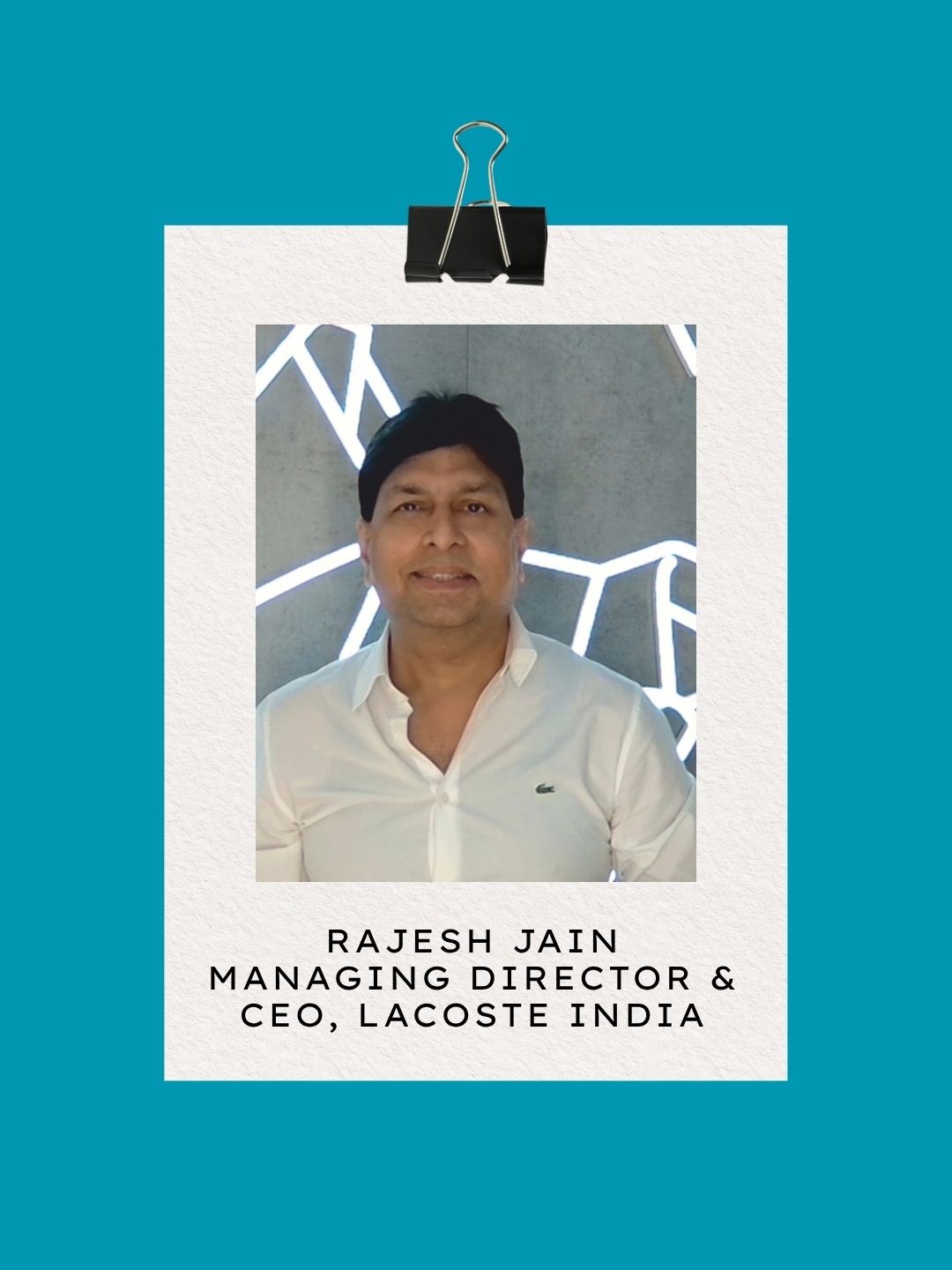
The business of colour is becoming far more dynamic than ever before. While global fashion trends continue to influence consumers, social media and AI are dramatically accelerating the speed at which colour trends emerge, spread and evolve. At the same time, consumers are increasingly seeking individuality, making personalisation and local relevance more important than simply following global palettes.
For India, this presents an exciting opportunity. Indian consumers appreciate international trends but also respond strongly to colours inspired by our festivals, climate, culture and regional preferences. Sustainability is also influencing colour choices, with growing interest in timeless shades and products designed for longevity rather than short-lived trends. Going forward, successful brands will combine global inspiration with local relevance, using data and AI to anticipate consumer preferences while ensuring colour remains an expression of emotion, identity and culture—not just fashion.

I am told that our eyes can perceive 10~ million different colour variations. No wonder, the very first thing consumers notice when buying a fashion products is its visual appeal. Bright shades with unique patterns immediately catch the eye – be it on a shop-rack In a Trends® Showroom or in a web-portal like AJIO.
Especially in India, colour has an extensive historical, cultural, and symbolic attachment – Red for the brides, yellows for the mehndi, whites for the sorrowful, saffron for the spiritually inclined, and so-on. I believe there is also a close association of specific colours with specific psychological or mental states, e.g. red, orange, and yellow are regarded as ‘warm’; green and blue are ‘cold’. Red is widely associated with aggression, blue with calmness.
I remember, way back in the 90’s when I started my career with a leading apparel brand, colour trends used to be revealed in an A/W or S/S format at the leading trade events like Premier Vision, Paris or Interstoff, Germany etc almost two years in advance. Expensive publications like the Textile View would then carry extensive fashion features on the inspiration, themes, applications, and Pantone® shades of the forecasted colours. Over the years, I have seen the business of colours undergo a radical transformation into a dynamic, tech-driven, and hyper-localised ecosystem. Now-a-days, the ‘Colour of the Year’ gets revealed on the social media itself.
Increasing use of Artificial Intelligence and Machine Learning has enabled us to move from 'guessing' colour trends to 'detecting signals' with pinpoint accuracy. Instead of guessing what will sell, brands monitor visual engagement metrics on social media in real time to plan their production pro-actively.
With the growing importance of India as a market for global brands, euro-centric colour palettes are giving way to a more localised colour selection that is rooted in India’s distinct cultural and climatic realities.

At DEVO, we see colour becoming an increasingly powerful expression of identity, culture and occasion. India has always been a country of colour — with different regions and cities having their own stories, traditions, art and colour vocabulary. Today’s alpha Indian man is looking for exactly this: fashion that feels modern and relevant, while still making him feel connected to and proud of being Indian.
Global trends, social media and AI are making colour more dynamic and personalised, but the opportunity lies in interpreting these influences through an Indian lens rather than simply following them. At DEVO, we see contemporary interpretations of India’s rich colour heritage playing an important role in shaping the future of occasion wear.
India has an extraordinary richness of colour, shaped by its regions, cultures and traditions. The opportunity is to reinterpret this heritage for the modern Indian consumer in a way that feels both contemporary and proudly Indian.
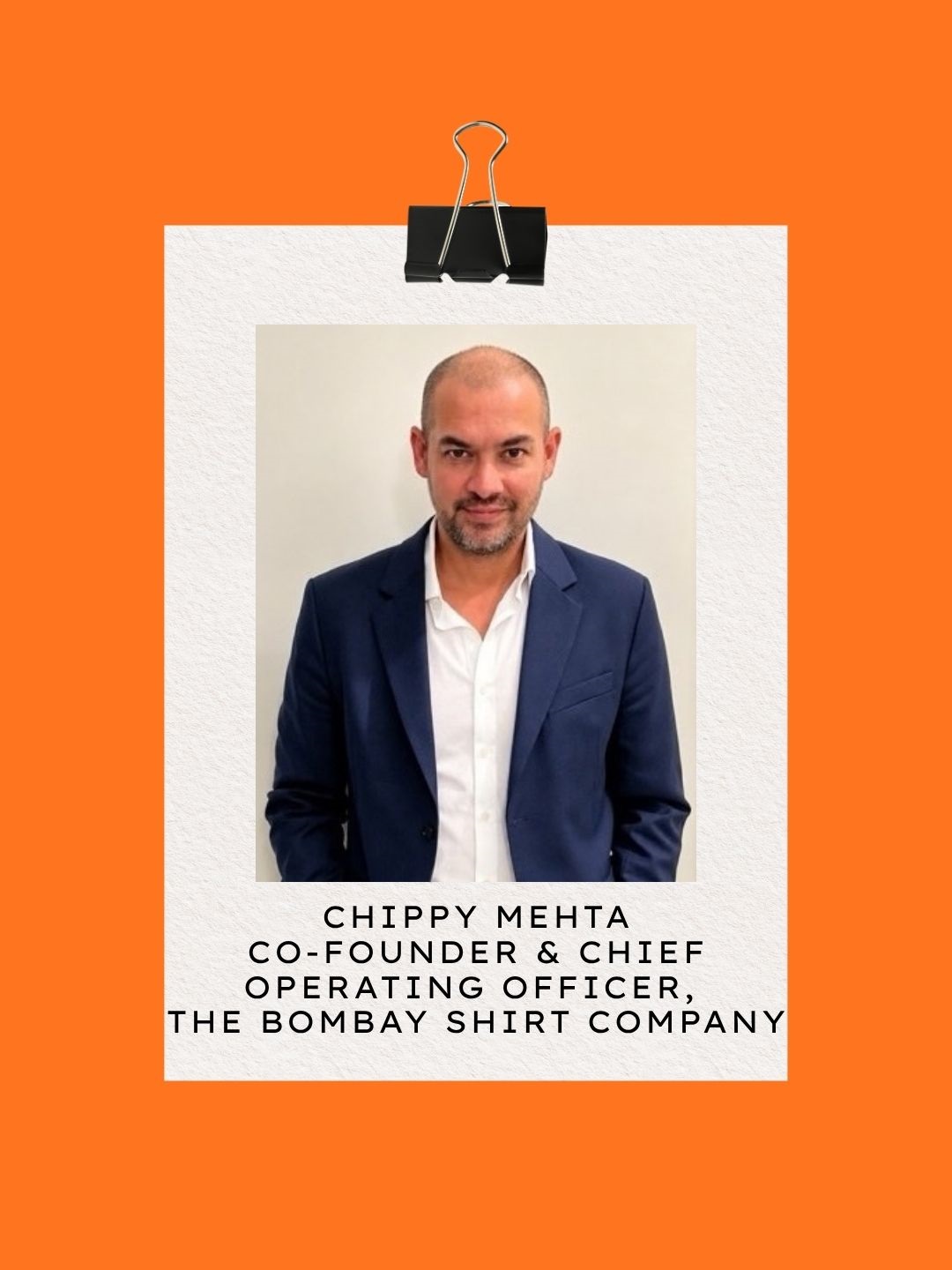
Colour in fashion is becoming far more dynamic and personalised than it was even a few years ago. Global trends still influence consumers, but social media has dramatically shortened trend cycles and exposed customers to a much wider range of colours and styling ideas.
At Bombay Shirt Company, we see that customers increasingly want colour choices that feel personal rather than simply following what is “in” for the season. In India especially, global colour forecasts cannot be adopted as-is — skin tones, climate, cultural preferences, occasions and regional tastes all influence what ultimately works commercially.
AI will make this even more interesting by enabling brands to understand preferences at a much more granular level and personalise recommendations. I am less convinced that sustainability will materially change colour preferences in India in the near term; its impact is likely to be much greater in how products are sourced and produced than in the colours consumers choose.
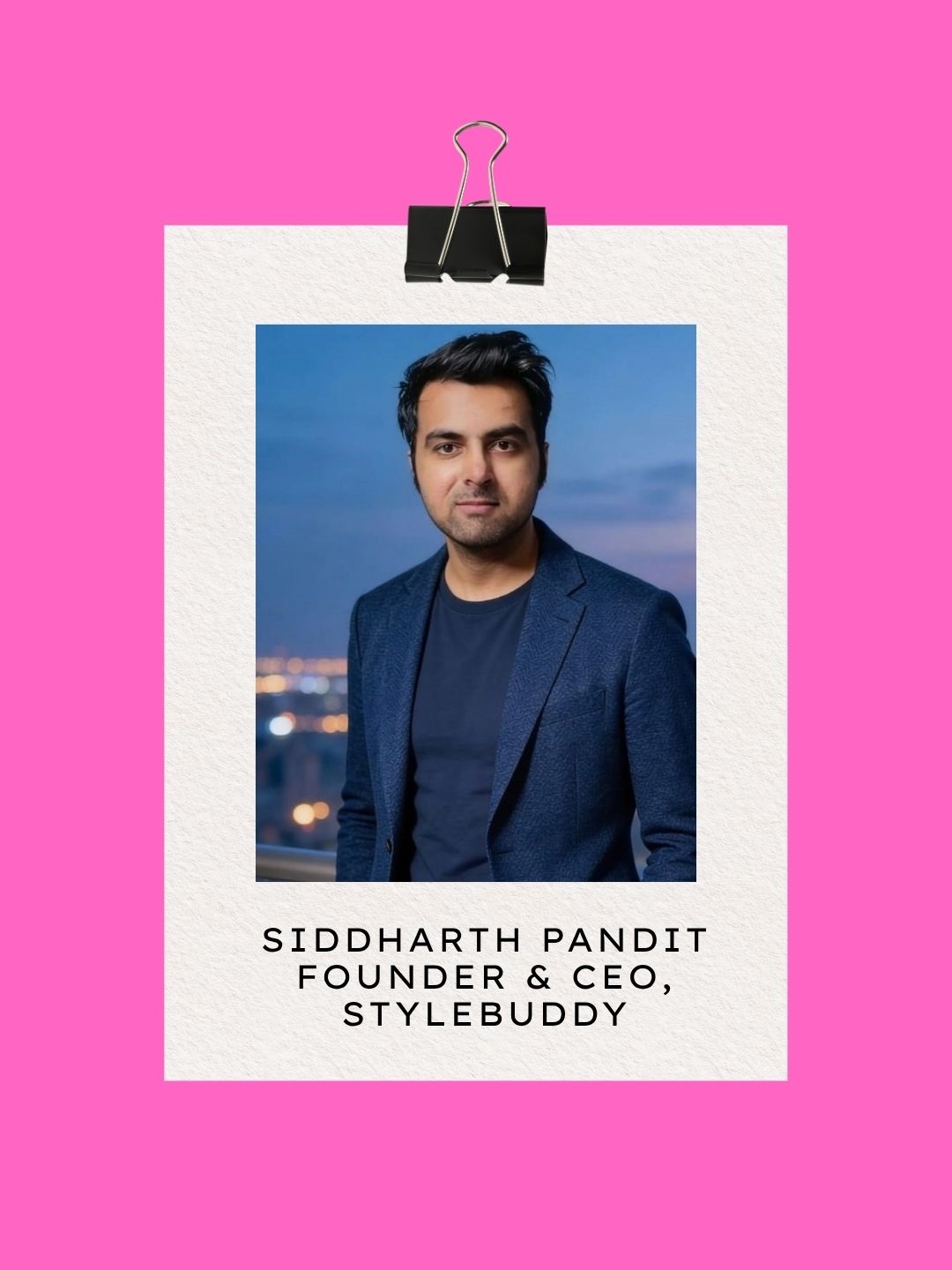
Colour in fashion is becoming much more personal. Earlier, brands could largely look at global trend forecasts and decide which colours to build a collection around. Today, social media can make a colour popular overnight, while consumers are also becoming much more aware of what actually suits them.
I think India is particularly interesting because there is no single ‘Indian palette’. What works for someone in Mumbai may be very different from what works for someone in Jaipur, Kolkata or Bengaluru — and even within the same city, skin tone, occasion and personal style can change the equation.
AI can help brands understand these differences at scale. At StyleBuddy, we see a future where colour recommendations are not just based on what is trending, but on what is relevant to the individual. The real opportunity is to make fashion unique.
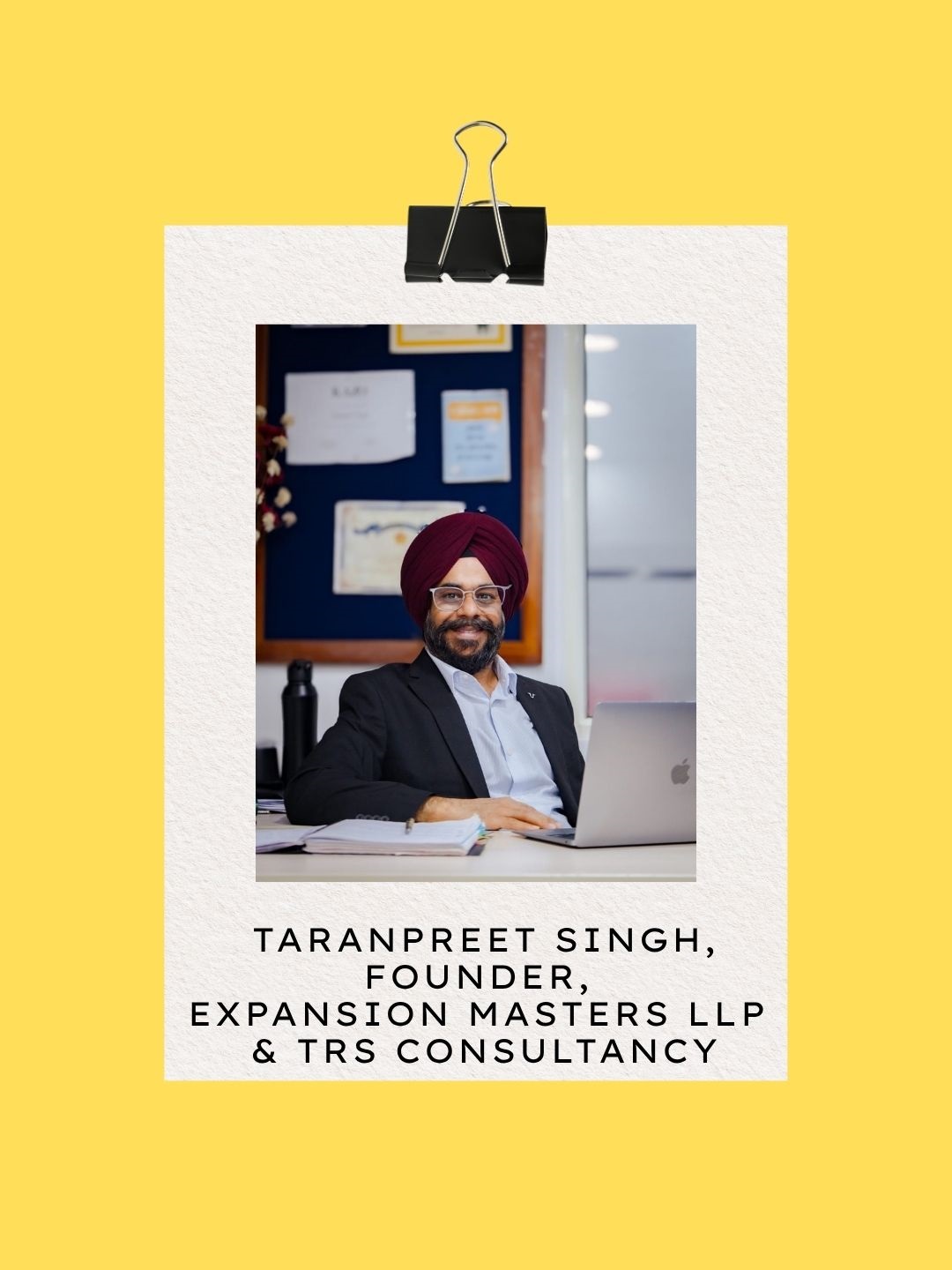
Colour has become a data-driven business decision, not just a creative one. Forecasting still sets direction, but social media has compressed the cycle — trends now move from runway to retail floor in weeks, forcing brands to shorten buying timelines. AI is changing the economics further, letting companies test palette performance against sales data and personalise recommendations at scale, reducing costly overstock on colours that don't sell. Sustainability is also constraining choice, as low-impact dyeing processes shape which shades are commercially viable. In India specifically, brands are moving away from imported palettes toward colours rooted in regional textiles and festivals — recognising that colour preference is a genuine market differentiator, not a global constant.
Conclusion: The Road Ahead
As Gurbir Singh Gulati, Editor-in-Chief of INFashionBusiness.com, highlights through these industry conversations, the business of color in fashion has crossed a crucial threshold. It is no longer governed solely by distant trend setters, nor is it driven purely by intuitive creative choices. Instead, color has evolved into a strategic nexus where advanced technology, cultural identity, and sustainable supply chain management meet.
The overarching consensus from these market leaders points toward a future characterized by three key shifts:
Precision & Agility Over Speculation: AI, machine learning, and digital color management systems are replacing multi-year guessing games with real-time signal detection. This minimizes physical sampling waste, avoids overstock, and aligns production directly with actual consumer demand.
Hyper-Localization & Contextual Relevance: Global trends remain a source of inspiration, but their direct application is fading. In complex markets like India, color success relies on honoring micro-climates, skin tones, regional traditions, and cultural heritage.
Hyper-Personalization as the New Standard: As consumers move away from blanket seasonal mandates toward individual expression, AI-driven personalization allows brands to deliver hyper-relevant recommendations at scale.
Ultimately, the brands that thrive in this new era will be those that master the digital and analytical tools of modern supply chains while continuing to treat color as what it fundamentally is—a powerful expression of human emotion, identity, and heritage.


