

INDIAN RETAIL LANDSCAPE ORGANISED RETAIL SHOPPING MALLS EXPERIENTIAL RETAIL HIGH STREETS OMNICHANNEL COMMERCE CONSUMER DEMAND URBANISATION DISPOSABLE INCOMES DIGITAL INTEGRATION E-COMMERCE MALL DEVELOPMENT LEASING MOMENTUM TIER 2 CITIES TIER NATIONAL
MUMBAI, MAHARASHTRA, INDIA
By IFAB MEDIA - NEWS BUREAU - December 31, 2025 | 0 19 minutes read





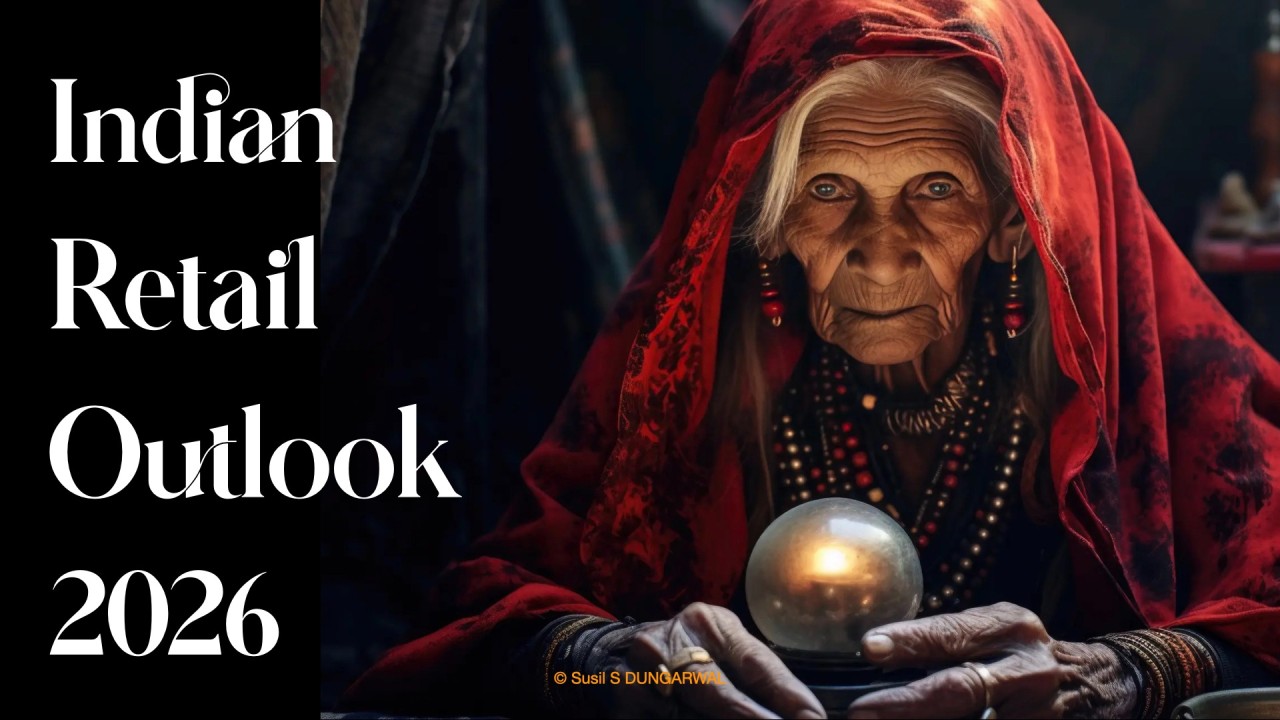
As India approaches 2026, its retail landscape stands at an inflection point, characterised by rapid expansion, structural transformation, and a convergence of digital and physical commerce. Fuelled by strong consumption demand, rising disposable incomes, urbanisation, and technological adoption, the Indian retail market is projected to achieve unprecedented scale and sophistication in the coming years. Organised retail, especially shopping malls and experiential retail spaces(High Streets), continues to play a central role in this evolution, leveraging both consumer confidence and investor interest.
India’s broader retail sector has witnessed exceptional growth over the past decade, expanding from about Rs. 35 lakh crore (US$400 billion) in 2014 to approximately Rs. 82 lakh crore (US$940 billion) by 2024. This reflects an annualised growth rate of nearly 9% over this timeframe, demonstrating the resilience and dynamism of the country’s consumption economy.
1. Organised Retail: Size, Growth, and Future Prospects
a) Market Size and Projections
Organised retail in India is emerging as one of the most attractive consumption sectors globally. According to industry data, the organised retail market is expected to reach nearly Rs. 19.7 lakh crore (US$230 billion) by 2030, up from around Rs. 11.3 lakh crore (US$132 billion) in 2024, driven by rising purchasing power, shifting consumer preferences, and expansion into new geographies.
The overall Indian retail sector, including unorganised and online channels, is on track to exceed Rs. 1,37,10,400 crore (US$1.6 trillion) by 2030 - a striking increase from Rs. 81,57,859 crore (US$952 billion) in 2024.
This projection positions India as one of the world’s fastest-growing retail markets, supported by favourable demographics and rising consumer aspirations.
b) Growth Drivers
Several factors underpin this growth trajectory:
Demographic Advantage: India’s large and youthful population, combined with an expanding middle class, remains a core driver of retail consumption.
Urbanisation: Cities are growing in both size and number, creating concentrated hubs of demand for organised retail and entertainment.
Digital Integration: E-commerce penetration and mobile commerce continue to bridge online and offline commerce, providing retailers with omnichannel capabilities.
Investment Climate: Progressive policy reforms and foreign investment liberalisation support the entry and expansion of global retail players.
2. New Mall Development: Supply Pipeline and Leasing Momentum
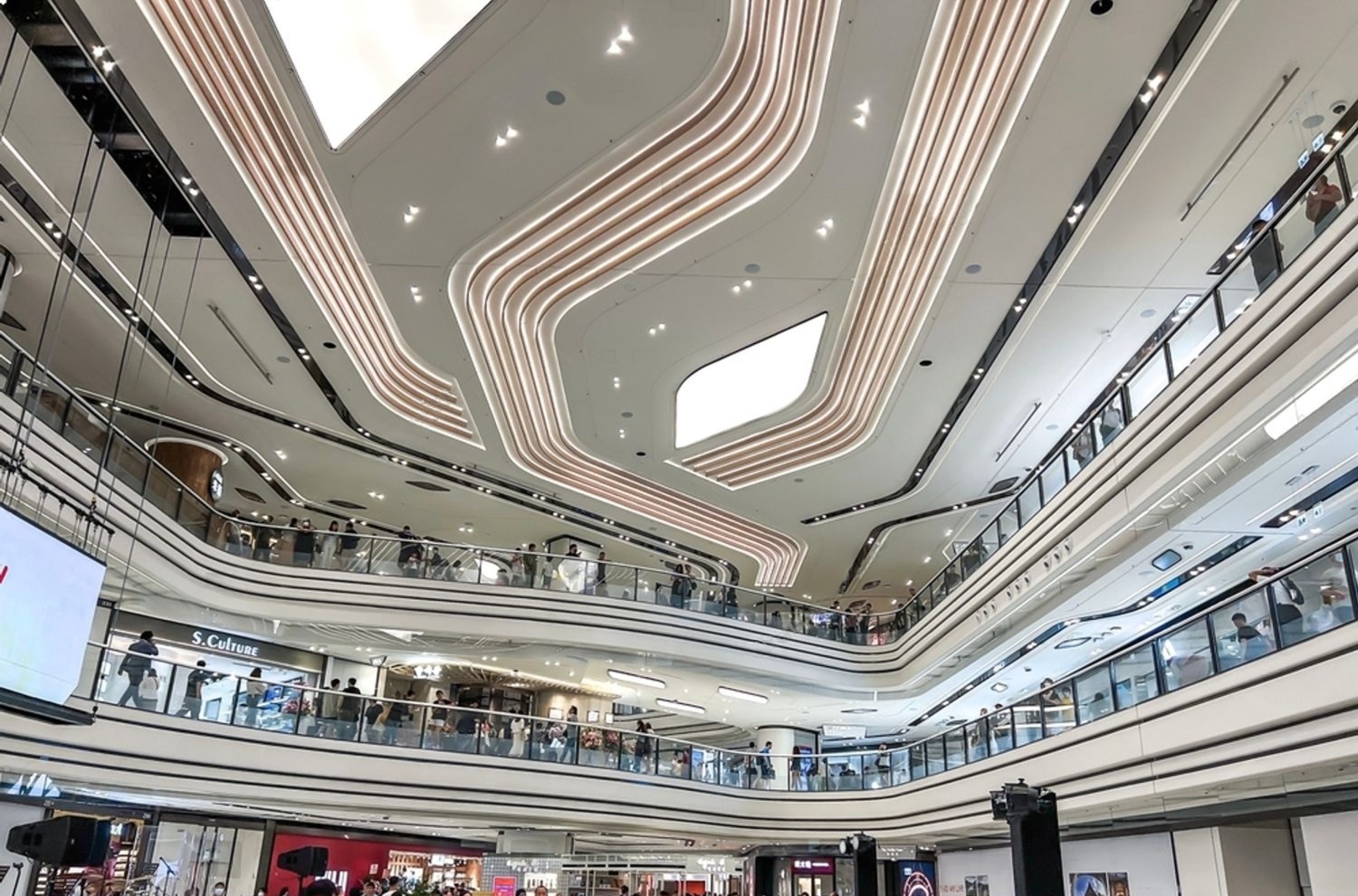
One of the most visible indicators of retail optimism in India is the resurgence of shopping mall development. After a period of relative stagnation, developers are once again backing large-scale retail real estate projects to meet evolving consumer demand.
a) New Mall Space by 2026
According to research by ANAROCK and industry bodies, India’s seven major cities are expected to receive approximately 16.6 million square feet of new Grade A shopping mall space by the end of 2026. The tier 2 and tier 3 cities will also see a whooping number of new malls coming up.
This influx of modern retail space reflects renewed confidence among developers and retailers, especially in markets with strong consumption dynamics.
Hyderabad and the Delhi - National Capital Region (NCR) are leading this expansion, accounting for roughly 65% of the projected new supply. Other major urban centres such as Mumbai, Bengaluru, Chennai, Pune, and Kolkata are also contributing meaningfully to the pipeline.
b) Leasing Demand and Vacancy Stabilisation
Leasing momentum has remained robust even in periods of slower supply addition. Over the next two years, retail leasing across the top seven cities is expected to exceed 12.6 million square feet, indicating strong demand from both domestic and international brands seeking prime retail presence.
In parallel, mall vacancy rates are forecast to stabilise at around 8.2% in 2025 and 8.5% in 2026 - a marked improvement from the pandemic era peak of 15.5%.
Stable vacancy levels underscore a healthy absorption of retail space, driven by expanding brand footprints and renewed consumer footfall.
3. Experiential Retail: Beyond Shopping
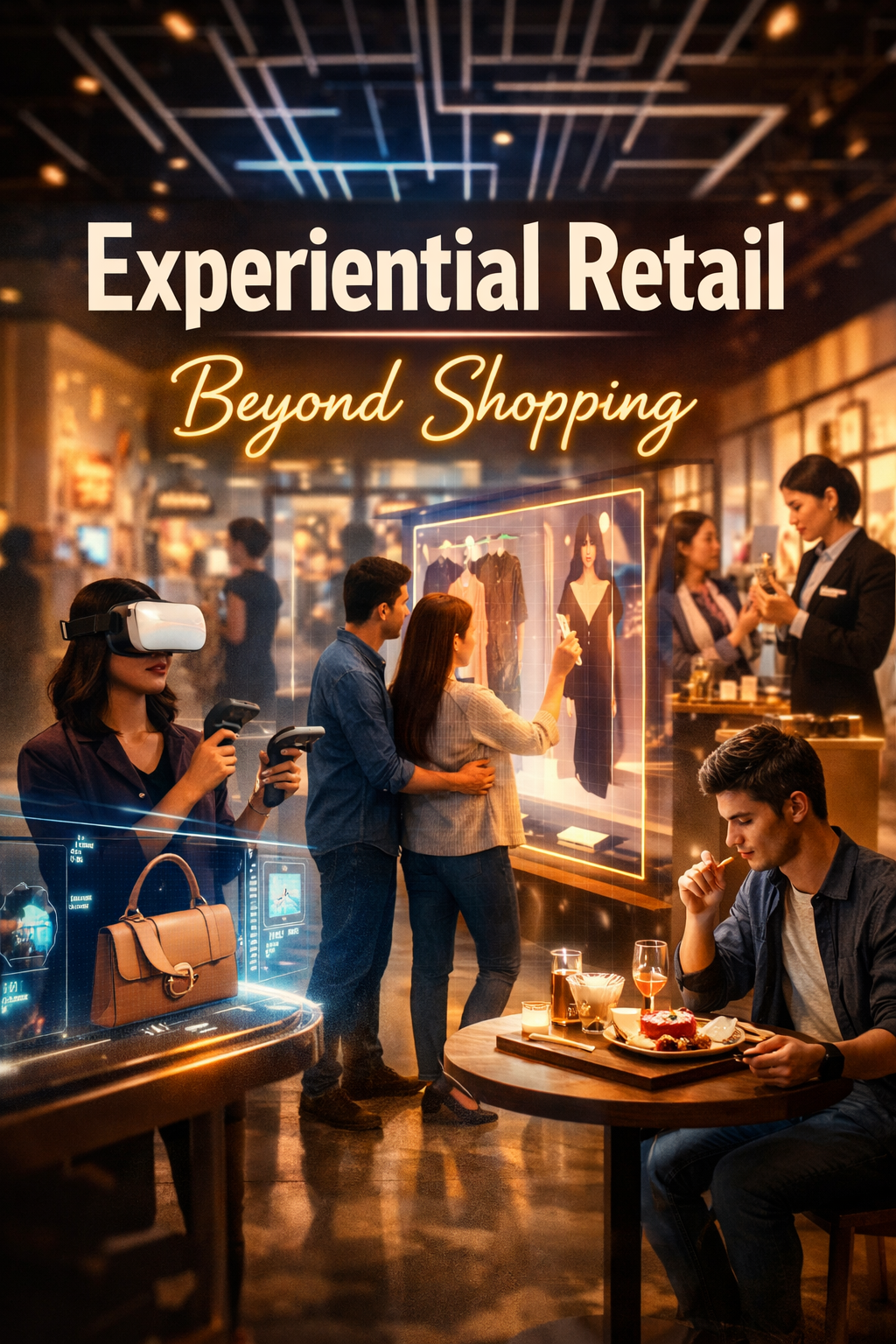
The traditional role of shopping malls as purely transactional zones is evolving. Modern malls are increasingly prioritising experiential retail; a strategy that positions them as destination hubs for leisure, entertainment, dining, and social engagement.
a) Experiential Footfall Drivers
Dining and Leisure: Restaurants, cafes, and food halls are becoming central attractions, contributing significantly to dwell time and customer spending.
Entertainment Anchors: Multiplexes, gaming zones, live event spaces, interactive exhibitions, and children’s play areas are reshaping mall traffic patterns and enhancing repeat visits.
Seasonal and Themed Experiences: During festive periods, malls are investing in elaborate décor, themed events, and family-oriented activities that drive higher footfall and longer stays.
This shift reflects the understanding that retail today competes with digital convenience and lifestyle options; malls that offer immersive experiences are more successful in attracting and retaining visitors.
4. Consumer Behaviour and Omnichannel Integration
a) The Blended Shopping Journey
Indian consumers increasingly engage in omnichannel shopping journeys that span online and offline touchpoints. For instance:
Customers may discover products online, visit a mall to try or experience them, and complete the purchase in-store (or vice versa)
Services such as Buy Online, Pick Up In-Store (BOPIS) and Buy Online, Return In-Store (BORIS) are gaining traction, enabling seamless commerce experiences across channels.
Retailers and mall operators are integrating technology to support this blended journey, ranging from unified inventory systems to digital loyalty programmes that reward both in-store and online engagement.
b) Personalisation and Customer Engagement
Data analytics and customer relationship management systems enable deeper personalisation in the physical retail context. For example:
Malls and stores are leveraging customer data to tailor promotions and offers.
Wi-Fi analytics and mobile-based engagement tools allow targeted communication and personalised incentives.
Augmented reality (AR) and virtual reality (VR) are being piloted for product try-ons and immersive brand interactions.
These capabilities enhance the retail experience while providing actionable insights into shopper preferences and behaviours.
5. Tier 2 and Tier 3 Cities: Growth Beyond Metros
While metro cities have historically dominated organised retail development, the growth narrative is increasingly shifting toward smaller urban centres.
a) Emerging Consumption Hubs
Tier 2 and Tier 3 cities are now being recognised as high-growth consumption hubs due to:
- They have both, time and money.
- Rising disposable incomes and expanding middle classes.
- Improved infrastructure and connectivity.
- Greater internet penetration and digital commerce adoption.
- Lower costs of occupancy and improved retail economics.
Data indicates that online shopping penetration in these smaller cities is now competitive with metro markets, accounting for a significant share of e-commerce transactions.
Mall developers and brand retailers are proactively targeting these markets to capture this demand, signalling a broader democratisation of organised retail across India.

6. Investment and Capital Markets: Retail Real Estate Asset Growth
a) Retail REIT Potential
The quality and stability of retail assets are attracting institutional capital, including Real Estate Investment Trusts (REITs). India’s retail REIT market is forecast to expand meaningfully, with a potential valuation of ₹60,000–₹80,000 crore by 2030.
As Grade A malls stabilise rental income streams, they become attractive infrastructure investments, supporting the launch of additional retail-centric REITs in the next three to five years.
b) Deal Activity and Strategic Capital Deployment
Retail and consumer sectors have seen strong private equity and strategic investor activity, with deal values rising across key segments. These investments reflect confidence in India’s long-term consumption story and the critical role of organised retail within it.
7. Digital Commerce and Tech-Enabled Retail
Although physical retail is expanding, e-commerce and digital commerce remain integral to India’s retail transformation.
a) E-Commerce Growth Trajectory
India’s online retail market is expected to grow nearly five-fold from its 2024 size of over Rs. 10.7 lakh crore (US$125 billion) to more than Rs. 47 lakh crore (US$550 billion) by 2035, as connectivity, digital payments, and internet adoption scale further.
Factors contributing to this trajectory include:
- Rapid smartphone and internet penetration in urban and rural areas.
- Unified Payments Interface (UPI) and other fintech innovations simplifying digital transactions.
- Logistics advancements enabling faster delivery and returns.
Digital commerce continues to influence mall-based retail, including click-and-collect services, digital catalogues, and consumer engagement platforms that bridge online discovery with offline experience.
8. Policy, Infrastructure and Sustainability
a) Supportive Policy Reforms
Government initiatives aimed at improving the ease of doing business, facilitating foreign investment, and enhancing infrastructure weak points are integral to India’s retail growth. These reforms support supply chain efficiencies and enhance retail real estate development.
b) Sustainability and ESG Integration
Environmental, social, and governance (ESG) considerations are gaining prominence within retail and mall operations. Leading developers are adopting sustainable construction practices, energy-efficient building systems, and community-centric programming. The integration of ESG principles not only enhances tenant and consumer appeal but also positions retail assets for long-term resilience.
Conclusion: A Transformational Retail Decade
In the year, 2025, retail in malls grew by over 40% YOY in most Class A Malls, a clear indicator, how how malls still dominate when it comes to footfalls, as compared to High Streets. Mall are and shall remain relevant to the Indian market, provided, the malls are created with customer in mind and not returns alone.
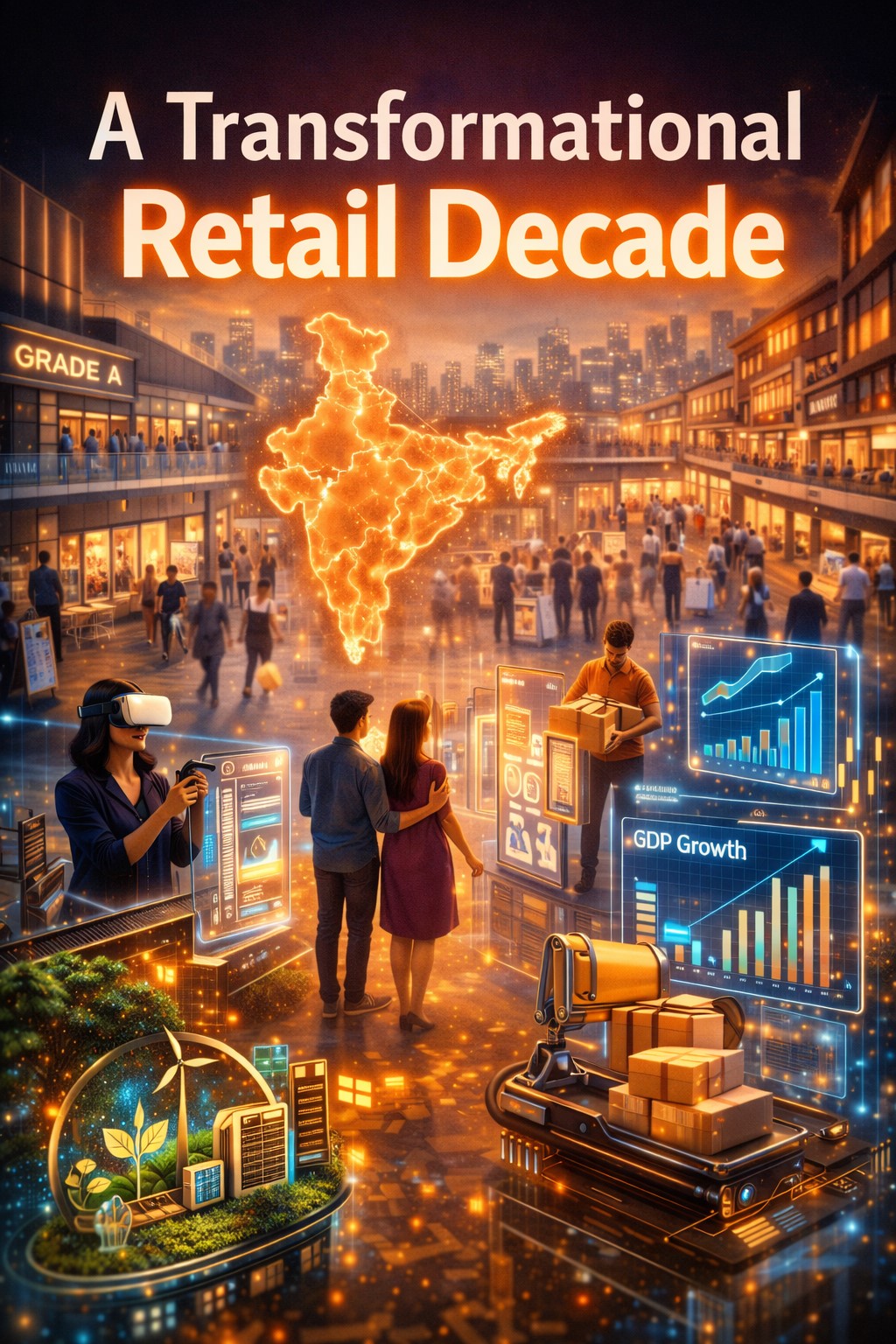
As India marches toward 2026 and beyond, its retail ecosystem; including shopping malls, organised retail formats, and omnichannel commerce; stands poised for transformational growth. The interplay of expanding physical retail space, robust consumer demand, digital integration, experiential environments, and strategic capital investment positions India as a global retail growth engine.
The next decade will not just be about scale, but about reinventing retail, where technology, experiences, consumer choice, and curated environments converge to define the modern Indian retail narrative. Supported by favourable macroeconomic trends and evolving consumer behaviour, shopping malls will continue to serve not merely as points of sale, but as vibrant hubs of lifestyle, culture, and community engagement.
Data Source: Data in this article is sourced from leading industry publications, including ETRetail , The Economic Times, IndiaRetailing.com and other credible platforms.
 |
Beginning his career, as a salesman in 1985, Susil S DUNGARWAL, is one of the few, who has grown from the “Shop floor” to the “Boardroom” in the retail & shopping Mall sector. Over the last 38 years, he has headed various retail chain stores and Shopping Malls. Along the way, he left his mark on renowned retail brands such as Saint Mark, Sampath Jewellers, Paramveer, Silknots International, Big Kids Kemp, Saree Kemp, Shoppers’ Stop, Varsha Lifestyles, Haiko Supermarket, The Loft, The Culture Shop (now Suriti), and The Loot, to name a few. He has been an advisor of the best names in the Shopping Mall Sector prominent being Lulu Group, DLF Group, TATA housing, Malabar Group, Omaxe Group, Supertech Group, Gokulam Group, Chaudhary Group(Nepal), Alpine Group(Nigeria), Smile group (Oman), etc. Over the years, he has been actively advised on a staggering 100+ Malls, collectively spanning about 35 millions of square feet and spanning across six different countries. It is no surprise that he has earned the nickname as the "Mall Mechanic” a testament to his unparalleled expertise and invaluable contributions to the ever-evolving world of Shopping Mall development and management. He has been a keynote speaker & panellist in various Indian & International Shopping Mall forums, seminars and conferences. He is also winner of over 40+ national & international awards for his achievement in Retail & Shopping Mall Sectors. He recently authored a book titled “The Mechanics of Malls”, which has been globally appreciated. His first 2 books as a part of the “Knowledge Series” covering the entire retail sector prospects of India, were released by The Economic Times Intelligence Group (ETIG) titled “Changing Gears – Retailing in India 2000-2001” and then the second edition of the same Knowledge series was published in “2002-2003”. |
About Beyond Squarefeet Beyond Squarefeet is India's first & largest Mall Advisory & Mall Management Company. Termed as the “Shopping Mall Specialists” Beyond Squarefeet specializes in end-to-end services managing everything from Mall Conceptualization to Mall Management. Beyond Squarefeet is recognized as the Mall Mechanics managing the entire spectrum of any Mall project including but not limited to Mall Conceptualization, Mall Positioning, Mall Marketing and Leasing, Fit-Out Management, Asset and Mall Management, Mall Re-orientation, etc. Beyond Squarefeet has hand-holded various real estate conglomerates such as Lulu Group, DLF Group, , Tata Housing, Omaxe Group, Malabar Group, Alpine Group, Smile Group, Utkal Group, etc. in over 87 projects spread across 33+ million sq. ft. in India, Iran, Nepal, Nigeria, Oman and Qatar.


